Thanksgiving Weather Forecast: Winter Return Trip Looms
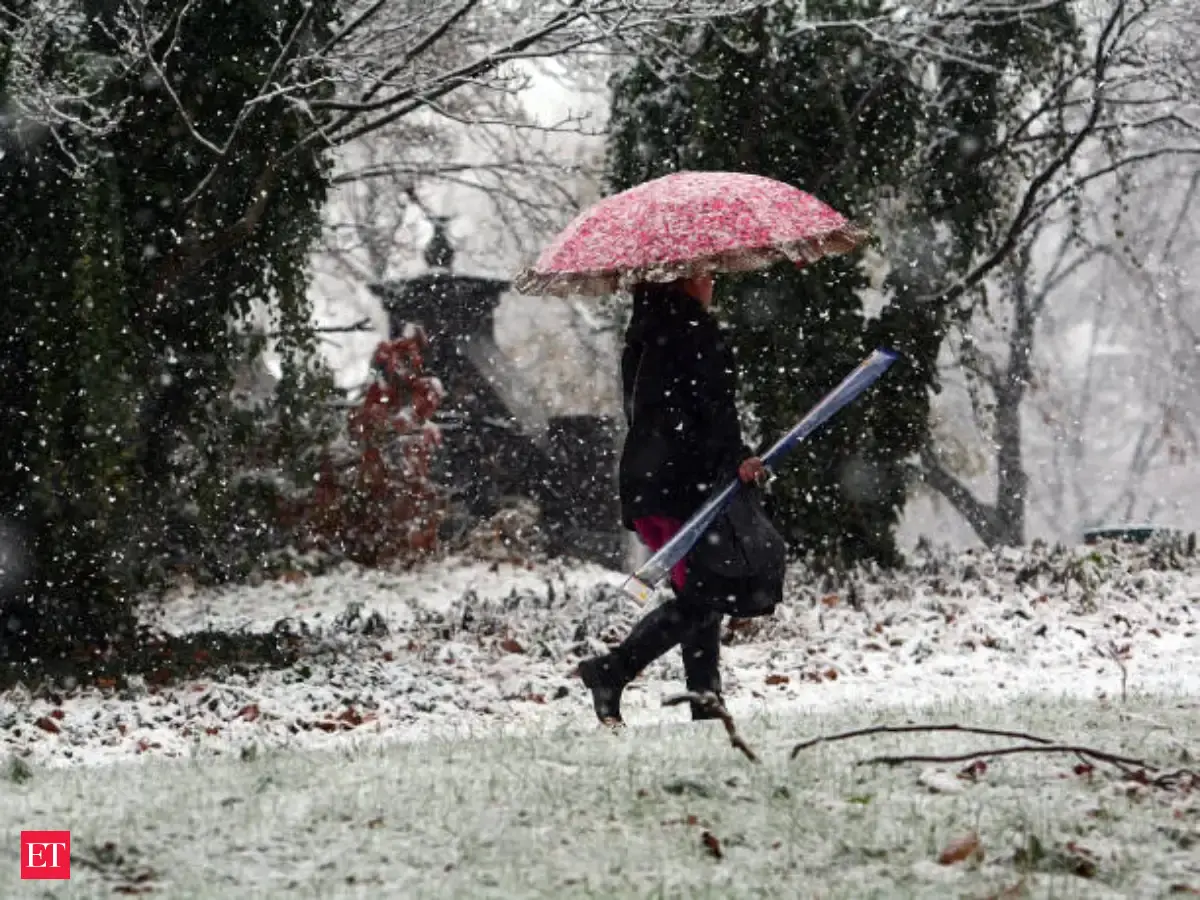
The Atmospheric Shift Behind the Holiday Travel Surge
As millions of Americans prepare to converge on family gatherings and regional destinations, meteorologists are tracking a pronounced transition in upper-atmosphere circulation that could significantly alter ground-level conditions over the coming days. The approaching Thanksgiving window typically marks the inflection point where autumnal stability yields to more volatile frontal systems, and current modeling indicates that travelers returning home may encounter conditions that closely mirror early winter weather. This shift is not merely a matter of dropping temperatures; it involves complex interactions between polar air masses, coastal moisture channels, and high-altitude jet stream deviations that collectively shape the operational landscape for commercial aviation and surface transportation.
Meteorological Dynamics and Seasonal Transition
The foundation of any late-November forecast rests on the behavior of the polar vortex and its peripheral troughs. When these systems dip southward, they channel Arctic-origin air into the central and eastern portions of the continent, creating sharp thermal gradients along the Gulf Coast and the Atlantic seaboard. These gradients serve as catalysts for cyclogenesis, rapidly developing low-pressure zones that pull moisture northward and convert it into precipitation. Forecast models consistently highlight the probability of wintry mix scenarios across the Midwest and Mid-Atlantic corridors, where freezing rain and sleet often form when surface temperatures hover near the dew point while aloft remains below freezing. Such layered thermodynamic profiles demand precise timing for road crews and airport operations teams, as even minor miscalculations in deicing fluid deployment or runway clearance protocols can cascade into widespread delays.
Pressure Systems and Precipitation Patterns
Atmospheric pressure differentials dictate the speed and direction of storm tracks. A deepened trough over the Great Plains typically funnels cold air toward the Ohio Valley and New England, while a ridge of high pressure along the Pacific Northwest often steers maritime disturbances inland. When these opposing forces collide, the resulting convergence zone produces extended periods of cloud cover and steady precipitation. Travelers navigating through these corridors should anticipate reduced visibility, icy pavement, and potential flash-freezing events on elevated roadways. Meteorological agencies emphasize that microclimate variations can emerge rapidly, meaning that conditions improving in one metropolitan area may deteriorate sharply just fifty miles downwind. Continuous radar surveillance and updated model runs remain critical for real-time decision-making by both passengers and logistics coordinators.
Aviation Logistics Under Seasonal Stress
Commercial airlines operate within tightly constrained scheduling windows, and the introduction of winter-grade weather testing those operational margins considerably. Runway friction coefficients drop precipitously when ice accumulates on taxiways, forcing ground handlers to implement staggered departures and longer turnaround times. Deicing operations alone can add twenty to forty minutes per flight, depending on aircraft size and fluid application protocols. When multiple carriers experience synchronized slowdowns at hub airports, the ripple effect propagates through downstream connections, stranding passengers who rely on tight layovers. Airlines have historically adjusted fleet allocation ahead of peak travel periods, positioning wide-body aircraft in secondary hubs to absorb overflow traffic, yet these contingency measures lose effectiveness when widespread icing or snowfall affects entire regions simultaneously.
Cancellation Protocols and Passenger Compensation
Regulatory frameworks governing airline cancellations have undergone substantive revisions in recent years, directly impacting how carriers handle meal vouchers, hotel accommodations, and ticket refunds. Passengers whose flights are canceled due to severe weather are no longer guaranteed automatic compensation in all jurisdictions, as carriers increasingly classify atmospheric disruptions as force majeure events rather than controllable maintenance issues. Nevertheless, consumer protection guidelines require transparent communication regarding alternative routing options and timely rebooking assistance. Travelers are advised to monitor carrier-specific policy updates, maintain digital copies of boarding passes, and verify whether their insurance coverage extends to weather-related itinerary changes. The intersection of regulatory compliance and customer service expectations continues to shape airline strategies during high-volume travel windows.
Historical Precedents and Consumer Preparedness
Looking back at previous decades of Thanksgiving travel, recurring patterns emerge that help forecasters calibrate risk assessments. Years characterized by anomalously warm October temperatures often experience delayed frost lines, which temporarily suppress wintry precipitation but increase the likelihood of sudden freeze events once cold air finally arrives. Conversely, early-season snowfalls tend to establish stable ice packs that complicate spring thaw logistics, though they rarely persist through the holiday weekend itself. Historical disruption data reveals that surface transportation networks bear the brunt of prolonged delays, while aviation sectors adapt more quickly through rerouting and fuel management adjustments. Public awareness campaigns have progressively emphasized flexible departure windows, off-peak scheduling, and alternative transit modes such as overnight bus services or rail connections that bypass heavily congested highway corridors.
Economic Ripple Effects Across Supply Chains
Beyond individual itineraries, weather-induced travel bottlenecks exert measurable influence on regional economies and freight distribution. Warehouses relying on last-minute inventory replenishment face compressed delivery windows, prompting retailers to adjust stock levels weeks in advance. Hospitality operators in major transit cities experience fluctuating occupancy rates as stranded guests seek extended stays, while local restaurants and retail outlets see temporary spikes in demand from displaced travelers. These secondary market responses demonstrate how meteorological forecasting transcends recreational planning, intersecting with commercial logistics, labor scheduling, and municipal resource allocation. Coordinated communication between weather services, transportation authorities, and private sector stakeholders remains essential for mitigating cascading operational failures during peak mobility periods.
Source Reference (economictimes.indiatimes.com): Thanksgiving week weather forecast: Could your return trip feel like winter is here?
Frequently Asked Questions (FAQ)
How accurate are Thanksgiving week weather forecasts?
Meteorological agencies achieve approximately ninety percent accuracy for five-day outlooks, though detailed precipitation type and timing become less reliable beyond seventy-two hours due to atmospheric variability.
Do airlines automatically provide refunds for weather-related cancellations?
Refund eligibility depends on carrier policy and jurisdictional regulations. Many airlines issue travel credits or rebooking options rather than cash refunds when cancellations stem from classified weather events.
What preparation steps minimize travel disruption risks?
Passengers should secure flexible tickets, monitor real-time radar feeds, pack essential medications and clothing layers, and verify ground transportation alternatives before departing.
{“@context”:”https://schema.org”,”@type”:”FAQPage”,”mainEntity”:[{“@type”:”Question”,”name”:”How accurate are Thanksgiving week weather forecasts?”,”acceptedAnswer”:{“@type”:”Answer”,”text”:”Meteorological agencies achieve approximately ninety percent accuracy for five-day outlooks, though detailed precipitation type and timing become less reliable beyond seventy-two hours due to atmospheric variability.”}},{“@type”:”Question”,”name”:”Do airlines automatically provide refunds for weather-related cancellations?”,”acceptedAnswer”:{“@type”:”Answer”,”text”:”Refund eligibility depends on carrier policy and jurisdictional regulations. Many airlines issue travel credits or rebooking options rather than cash refunds when cancellations stem from classified weather events.”}},{“@type”:”Question”,”name”:”What preparation steps minimize travel disruption risks?”,”acceptedAnswer”:{“@type”:”Answer”,”text”:”Passengers should secure flexible tickets, monitor real-time radar feeds, pack essential medications and clothing layers, and verify ground transportation alternatives before departing.”}}]}