Six Flags Goliath: Liability Probe After Teacher’s Fatal Fall
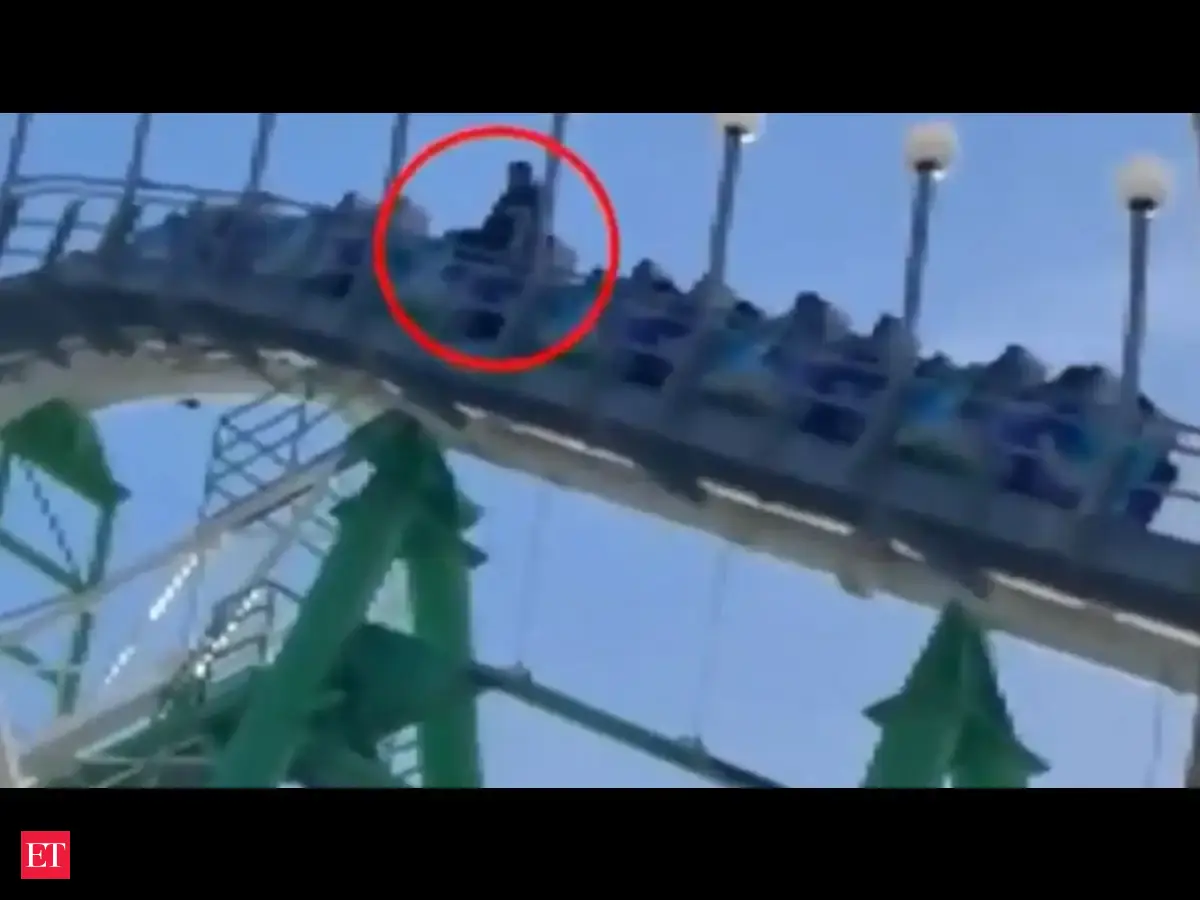
Crisis Erupts at Six Flags Following Fatal Goliath Incident
A catastrophic event aboard the Goliath roller coaster at a Six Flags theme park has triggered a multi-dimensional crisis encompassing immediate operational shutdowns, intensive safety audits, and mounting legal questions regarding corporate accountability. Authorities have formally identified the deceased as Hassan Jihad Ibn Kariem, a teacher whose life was cut short following a fatal fall from the attraction. In the direct aftermath of the tragedy, park management initiated a sweeping precautionary measure, ordering the complete suspension of operations across nine distinct rides while investigative teams begin their work.
Victim Identification and Incident Specifics
Official confirmations have established that the individual involved in the fatal accident was Hassan Jihad Ibn Kariem. Reports indicate that Ibn Kariem was a teacher, a detail that has intensified the emotional resonance of the tragedy within his professional community and the broader public. The incident centered on the Goliath roller coaster, a high-performance attraction known for its extreme specifications. According to initial findings, Ibn Kariem suffered a fatal fall from the ride, an occurrence that defies the stringent safety margins engineered into modern amusement attractions. The confirmation of identity concludes the immediate phase of missing persons inquiries, shifting the focus toward reconstructing the precise mechanics of the fall and determining whether mechanical failure, procedural error, or external factors contributed to the outcome.
Operational Paralysis: Scope of Ride Closures
The park’s response to the incident has been characterized by an unprecedented level of operational caution. Administrators moved swiftly to close nine separate rides, a decision that extends far beyond the single attraction involved in the fatality. This mass suspension suggests that investigators may be examining systemic issues or that the park is adhering to a protocol requiring comprehensive safety verification across multiple high-thrill assets following a severe incident. The closure of nine rides represents a significant disruption to park operations, effectively grounding a large portion of the facility’s capacity. Such measures are typically employed when there is a suspicion of shared components, concurrent inspection cycles, or a need to preserve evidence and access restricted areas for forensic examination. The decision underscores the gravity with which the company is treating the situation, prioritizing exhaustive due diligence over revenue generation during the active investigation phase.
Legal Framework: Navigating Liability and Duty of Care
As the dust settles on the physical tragedy, legal analysts and liability experts are beginning to assess the potential exposure facing Six Flags. The central question dominating discussions is whether the entertainment giant could face liability for Ibn Kariem’s death. Legal proceedings in amusement park accidents generally revolve around several critical pillars: premises liability, the duty of care owed to invitees, and the doctrine of assumption of risk. Plaintiffs in such cases often argue that the operator breached its duty by failing to maintain equipment to manufacturer specifications, neglecting proper inspection routines, or inadequately training staff. Conversely, operators frequently invoke assumption of risk, arguing that riders voluntarily accept inherent dangers associated with thrill rides. However, this defense loses potency if negligence is proven, such as evidence of deferred maintenance, ignored warning signs, or design flaws. Experts note that the burden of proof will rest on demonstrating that the park failed to exercise reasonable care, potentially opening the door to wrongful death claims and significant financial penalties.
Manufacturer Versus Operator Responsibility
Liability disputes in coaster accidents often fracture between the ride manufacturer and the park operator. If the investigation reveals a manufacturing defect in the restraint system, braking mechanism, or structural integrity of the Goliath, liability could shift partially or entirely to the engineering firm responsible for production. Conversely, if the fault lies in operational procedures, such as improper loading sequences or failure to adhere to weather protocols, the park bears primary responsibility. The distinction is vital for litigation strategy and settlement negotiations. Insurance carriers for both entities are likely already engaged, conducting parallel internal reviews to determine coverage obligations and subrogation rights.
Industry Standards and Regulatory Oversight
The Goliath roller coaster operates within a highly regulated environment governed by state inspection agencies and national safety standards set by organizations such as ASTM International. These standards dictate rigorous testing, annual certifications, and daily pre-operation checks. The closure of nine rides invites scrutiny of the park’s compliance record. Investigators will likely subpoena maintenance logs, inspection reports, and employee communications to verify adherence to these protocols. Historically, amusement parks with robust safety cultures can withstand isolated incidents through transparent cooperation and demonstrable compliance. However, patterns of regulatory violations or past citations could exacerbate legal vulnerabilities and damage the brand’s reputation irreparably. The incident serves as a stark reminder that despite technological advancements, human error and mechanical variance remain risks that require constant vigilance.
Community Impact and Future Implications
The identification of Ibn Kariem as a teacher adds a layer of profound loss for local educational institutions and families. Schools and communities often rally around educators affected by sudden tragedies, amplifying the social impact beyond the legal and business dimensions. For Six Flags, the reputational stakes are immense. Trust is the currency of the amusement industry; any perception of lax safety standards can deter attendance and erode consumer confidence. The thoroughness of the investigation and the transparency of subsequent communications will be crucial in managing public perception. As legal experts weigh in on the liability landscape, the coming months will reveal not only the fate of the Goliath coaster but also the precedent this case may set for corporate accountability in the entertainment sector.
Source Reference (economictimes.indiatimes.com): Six Flags Goliath roller coaster liability: Could Six Flags face liability after the death of a teacher? Experts weigh-in
Frequently Asked Questions (FAQ)
Who is the victim of the Six Flags Goliath roller coaster incident?
The victim has been identified as Hassan Jihad Ibn Kariem, who was a teacher.
What immediate action did Six Flags take after the fatality?
Six Flags closed nine rides immediately following the incident as part of a precautionary safety protocol and investigation.
Is Six Flags facing potential liability for the death?
Experts are analyzing potential liability based on duty of care, maintenance records, and manufacturer versus operator responsibility; the investigation is ongoing.
{“@context”:”https://schema.org”,”@type”:”FAQPage”,”mainEntity”:[{“@type”:”Question”,”name”:”Who is the victim of the Six Flags Goliath roller coaster incident?”,”acceptedAnswer”:{“@type”:”Answer”,”text”:”The victim has been identified as Hassan Jihad Ibn Kariem, who was a teacher.”}},{“@type”:”Question”,”name”:”What immediate action did Six Flags take after the fatality?”,”acceptedAnswer”:{“@type”:”Answer”,”text”:”Six Flags closed nine rides immediately following the incident as part of a precautionary safety protocol and investigation.”}},{“@type”:”Question”,”name”:”Is Six Flags facing potential liability for the death?”,”acceptedAnswer”:{“@type”:”Answer”,”text”:”Experts are analyzing potential liability based on duty of care, maintenance records, and manufacturer versus operator responsibility; the investigation is ongoing.”}}]}