Ionian Sea Rescue: Passenger Survives 20 Hours Adrift
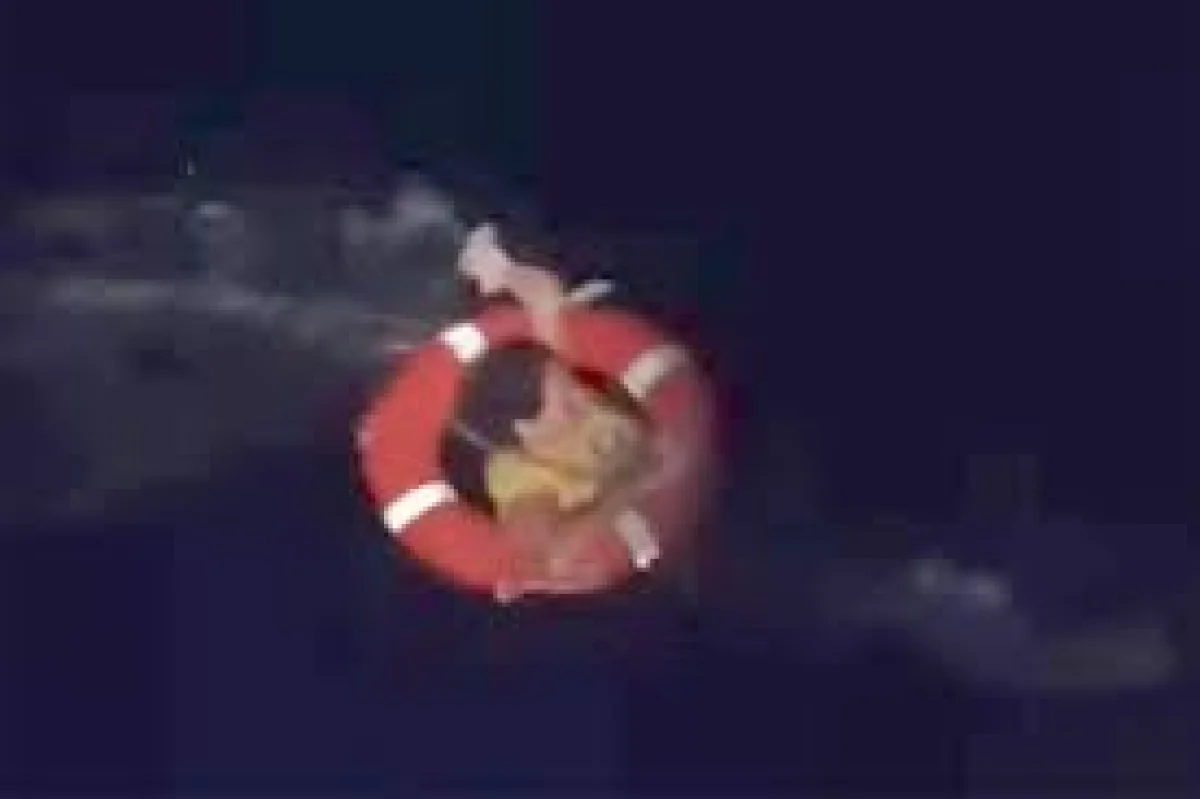
- A Twenty-Hour Maritime Ordeal Concludes Off the Greek Coast
- The Mechanics of a Coordinated Maritime Sweep
- Corporate Protocol and Immediate Medical Stabilization
- Investigative Framework and Regulatory Scrutiny
- Broader Implications for Mediterranean Cruise Operations
- The Evolving Landscape of Search and Recovery Tactics
- Concluding Remarks on Maritime Safety Standards
A Twenty-Hour Maritime Ordeal Concludes Off the Greek Coast
A harrowing twenty-hour ordeal in the churning waters of the Ionian Sea concluded Thursday when authorities successfully extracted a 44-year-old Salvadorean woman who had fallen overboard from a Royal Caribbean cruise vessel. The incident, which unfolded near the Greek island of Zakynthos beginning on October 9, triggered one of the region’s most extensive maritime search and recovery operations in recent years. By the time dawn broke on October 10, a dedicated cargo freighter spotted the passenger adrift inside a deployed lifebuoy, marking the end of a relentless aerial and naval pursuit spanning hundreds of square miles of open water.
The Mechanics of a Coordinated Maritime Sweep
Aerial Coordination and Grid Deployment
The Hellenic Coast Guard swiftly mobilized its regional contingency framework upon receiving the initial distress alert. Command centers immediately dispatched a specialized patrol vessel to establish a primary grid search pattern, while simultaneously coordinating air support from the Hellenic Air Force. A Super Puma helicopter was lifted into the sky within minutes, utilizing thermal imaging and high-magnification optics to scan the waterline beneath heavy cloud cover. The operation quickly evolved into a multi-agency endeavor, incorporating commercial traffic transiting the eastern Mediterranean. Several passing merchant vessels adjusted their course to assist, effectively creating a moving net across the designated search zone. The breakthrough occurred late on October 10 when a nearby cargo ship identified visual contact southwest of Zakynthos. Crew members secured the lifebuoy containing the conscious passenger, halting an operation that had consumed roughly nineteen hours of continuous tracking.
Corporate Protocol and Immediate Medical Stabilization
Upon confirming the successful extraction, the cruise operator initiated its standard crisis response matrix. Company representatives confirmed that onboard personnel immediately transitioned from navigation duties to deploying emergency flotation devices and launching backup vessels to scour the wake. Executive leadership emphasized full cooperation with Greek maritime authorities throughout the unfolding crisis. A dedicated welfare division was subsequently assigned to coordinate communications with the passenger’s relatives, offering structured psychological and logistical support during the transition period. For the sake of familial privacy, corporate spokespeople declined to release further biographical or itinerary specifics. Once transferred from the recovery vessel, the survivor was transported via ground ambulance to a regional medical facility. Clinical staff initiated comprehensive diagnostic protocols to assess potential hypothermia, respiratory complications, and trauma sustained during the extended exposure to saltwater currents.
Investigative Framework and Regulatory Scrutiny
The successful physical recovery has not concluded the procedural inquiry. Officials at the Katakolo Port Authority have formally opened a preliminary examination into the circumstances surrounding the displacement. Under Greek maritime jurisdiction, such investigations require meticulous reconstruction of deck movements, railing integrity, weather conditions, and passenger activity logs from the evening of October 9. Investigators are currently mapping the exact sequence of events that led to the individual entering the water, a detail that remains entirely unaccounted for in public reports. Whether the incident stemmed from accidental immersion, structural failure, or intentional action will dictate subsequent legal classifications and potential liability determinations. The port authority’s mandate involves interviewing crew members, reviewing surveillance footage, and cross-referencing navigation logs to establish a definitive timeline.
Broader Implications for Mediterranean Cruise Operations
Safety Architecture and Industry Standards
This event underscores the persistent vulnerabilities inherent in large-scale maritime tourism. Commercial cruise liners routinely traverse dense shipping lanes and fragile coastal ecosystems, requiring flawless integration between passenger security measures and emergency response infrastructure. The twenty-hour survival duration highlights both the resilience of modern flotation equipment and the extraordinary capacity of international rescue networks. Historically, overboard occurrences on commercial vessels have prompted sweeping revisions to deck safety architecture, including elevated railings, automated motion sensors, and mandatory crew drills. Regulatory bodies worldwide continue to refine compliance standards following past tragedies, yet the human element remains unpredictable. The Katakolo investigation will likely influence future operational guidelines for Mediterranean itineraries, potentially mandating enhanced deck monitoring during nighttime transit corridors and stricter crew accountability protocols.
The Evolving Landscape of Search and Recovery Tactics
The Zakynthos operation demonstrates how contemporary maritime emergencies rely on hybrid coordination models. Traditional naval assets now operate alongside commercial shipping networks, satellite telemetry, and advanced aviation platforms. The Super Puma’s rapid deployment illustrates the strategic advantage of rotary-wing aircraft in locating small targets against reflective ocean surfaces. Meanwhile, the participation of transit cargo operators reflects a standardized global protocol where merchant mariners are trained to assist in distress scenarios when professional units face geographic constraints. As cruise line itineraries increasingly favor smaller ports and less charted coastal regions, the reliance on decentralized rescue grids will intensify. Port authorities like Katakolo serve as critical nodes in this network, balancing routine harbor management with rapid escalation capabilities.
Concluding Remarks on Maritime Safety Standards
While the immediate crisis has resolved through the passenger’s stabilization and transport to medical care, the procedural aftermath will dominate maritime discourse for months. The Katakolo Port Authority’s findings will determine whether operational adjustments or disciplinary measures become necessary. Until the official report concludes, the case stands as a testament to coordinated emergency response capabilities and the unpredictable nature of open-water survival. Stakeholders across the travel and shipping sectors will closely monitor the investigative outcomes to reinforce safety architectures and refine crisis communication frameworks.
Source Reference (el-balad.com): Royal Caribbean Passenger Overboard In Greece Ends With 20-Hour Rescue