Frank Castle’s Darkest Crusades: The Punisher’s Most Extreme Acts
The Architecture of Uncompromising Vengeance
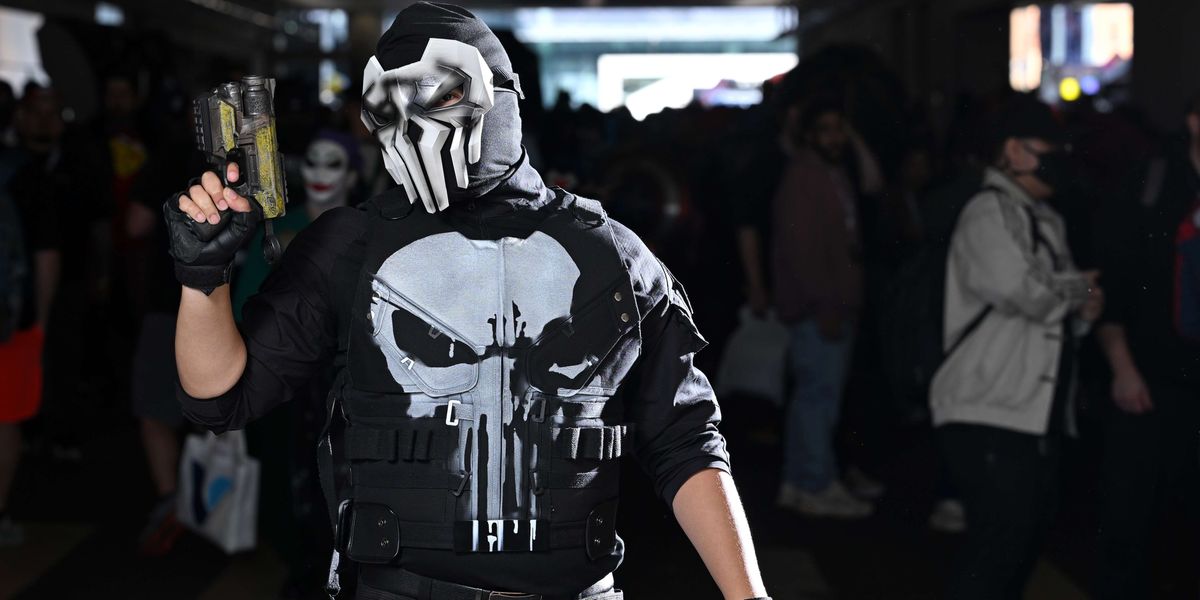
Frank Castle occupies a singular position within the Marvel Comics universe, operating far beyond the ethical constraints that govern traditional costumed investigators. Following the homicide of his spouse and children during a random criminal exchange, Castle discarded conventional law enforcement protocols and institutional rehabilitation models. Instead, he engineered a perpetual, highly organized campaign targeting organized crime syndicates, terrorist cells, and corrupt power structures. Where figures like Spider-Man prioritize containment and Captain America champions procedural justice, Castle views incarceration as a temporary inconvenience for perpetrators who operate outside societal contracts. His methodology relies on immediate neutralization, tactical preparation, and an absolute refusal to grant opponents opportunities for redemption. Over decades of serialized publishing, writers have systematically escalated his operational intensity, producing sequences that test the outer limits of reader tolerance while exploring the psychological mechanics of radicalized grief.
Tactical Adaptability and Environmental Weaponization
Castle’s combat doctrine emphasizes resourcefulness over raw firepower, transforming ordinary surroundings into lethal instruments during close-quarters engagements. In the fifth installment of the mature-audience MAX imprint, observers witness his capacity to repurpose hostile environments when surrounded by armed adversaries. Rather than relying solely on ballistic solutions, Castle utilizes a captured operative as a kinetic projectile, striking a secondary target with sufficient force to terminate both individuals simultaneously. This sequence establishes a recurring operational pattern: eliminate threats through maximum efficiency, regardless of available tools.
That same pragmatic brutality surfaces during his investigation into international human trafficking networks. After extracting a minor victim from a clandestine holding facility, Castle identifies the organizational hierarchy responsible for systematic exploitation. He initiates a methodical dismantling of the operation, applying severe interrogative pressure to mid-level coordinator Cristu Bulat before confronting mastermind Vera Konstantin. During their direct engagement, Castle forces her against a structural glass partition until the reinforced frame fractures, resulting in a fatal fall. The narrative acknowledges that dismantling a single cell cannot eradicate global trafficking networks, yet Castle persists, operating under the conviction that individual accountability must precede systemic reform. His approach rejects bureaucratic patience in favor of immediate punitive action.
Environmental manipulation reaches its peak during a coordinated ambush against mob patriarch Ma Gnucci across New York City’s Central Park Zoological Garden. Utilizing the facility’s infrastructure, Castle redirects predator enclosures and restricted zones to isolate opposing forces. Multiple combatants perish after being funneled into active exhibits containing large carnivores. The confrontation culminates near polar bear habitats, where unleashed predators inflict catastrophic physical damage. Gnucci survives the encounter but sustains permanent loss of extremities and cranial tissue, illustrating how Castle’s strategic positioning transforms public spaces into controlled kill zones designed to deliver consequences exceeding standard execution.
Systematic Elimination of the Superhuman Population
When Castle’s operational scope expands beyond terrestrial criminal enterprises, his methodology shifts toward preemptive eradication. The 1995 alternate-reality miniseries presents a scenario where superhuman entities directly contribute to the circumstances surrounding his family’s death. Interpreting their presence as a catalyst for civilian casualties, Castle initiates a targeted purge across the broader hero community. Initial operations remove field operatives including Cyclops, Hawkeye, and Jubilee before escalating to high-profile figures such as Spider-Man, the Human Torch, and Captain America. His approach consistently prioritizes intelligence gathering, terrain selection, and timing advantages over direct confrontation. A particularly notable sequence involves neutralizing Bruce Banner during periods of dormancy, demonstrating how Castle exploits predictable biological cycles to overcome enhanced physiology without engaging in prolonged exchanges.
This extermination framework intensifies when directed toward mutant populations. In the same continuity, Castle orchestrates a lunar deployment strategy, luring assembled members of the X-Men and Brotherhood of Evil Mutants to an extraterrestrial location. He deploys a recovered nuclear delivery system originally engineered by Victor von Doom, initiating a mass-casualty event that terminates the gathered leadership. Only Logan survives the initial detonation due to accelerated cellular regeneration. Recognizing that conventional ballistics cannot permanently disable a healing factor, Castle adapts his tactics by redirecting the opponent’s own skeletal extensions against him. After achieving penetration through thoracic tissue, he positions Logan adjacent to industrial power conduits, triggering an electrical overload that temporarily suppresses regenerative capabilities. The sequence highlights a recurring narrative theme: Castle does not require enhanced attributes to threaten superior opponents, only meticulous planning and willingness to implement extreme countermeasures.
Philosophical Rifts and Manipulated Allegiances
Castle’s operational independence frequently generates friction with established superhero coalitions. During government-mandated registration legislation debates, rival factions fracture along ideological lines. When two former antagonists attempt to defect to the anti-registration coalition led by Steve Rogers, Castle intervenes before formal processing occurs, executing both individuals on-site. Rogers responds with immediate physical confrontation, citing the tactical value of integrating defectors into unified resistance efforts. The incident crystallizes a foundational divergence: Rogers evaluates strategic necessity and potential rehabilitation, while Castle enforces rigid boundary conditions that prohibit compromised alliances. This ideological chasm remains consistent across crossovers, reinforcing his isolation within broader team dynamics.
His susceptibility to authority manipulation surfaces during a regime shift orchestrated by subversive intelligence networks. When Rogers assumes control of state apparatus and implements authoritarian governance structures, Castle voluntarily aligns with the new administration. He alters his signature insignia to incorporate organizational markings, executing directives without independent verification. This compliance stems from deeply ingrained respect for Rogers’ historical service record, which Castle weaponizes against himself. Intelligence operatives exploit this loyalty gap, directing Castle toward actions that contradict his established anti-authoritarian principles. The narrative arc exposes a critical vulnerability: unwavering devotion to perceived moral anchors can override independent threat assessment, leaving even the most disciplined operators open to strategic deception.
Personal Vendettas and the Limits of Forgiveness
When Castle’s core motivations are directly challenged, his response mechanisms escalate to maximum severity. Prolonged rivalries often devolve into asymmetric attrition campaigns. During sustained conflicts with persistent adversary Barracuda, engagements progress through progressive degradation phases. Castle systematically disables sensory functions, severs upper extremities, and applies sustained electrical stress using automotive power sources. The conflict concludes with complete bilateral amputation followed by terminal blunt-force trauma, marking one of the most physically destructive encounters in his operational history.
Criminal interference with his family’s memorial sites triggers equally severe retaliation. When underground figure Nicky Cavella exhumes previously interred remains and distributes recorded footage through mainstream media channels, Castle initiates immediate organizational collapse. He eliminates subordinate personnel across multiple territories before tracking Cavella to wooded regions in northern New Jersey. Upon apprehension, Castle inflicts abdominal trauma and deliberately delays medical intervention, allowing natural coagulation failure to produce the outcome. The sequence reinforces a consistent operational principle: violations targeting his family unit bypass standard punishment protocols and activate irreversible retribution frameworks.
Cultural Resonance and Narrative Legacy
These documented sequences collectively establish Frank Castle as a narrative device designed to examine the boundaries of vigilantism, the psychology of trauma-driven justice, and the structural limitations of institutional systems. Writers utilize his uncompromising methodology to contrast with characters who prioritize restorative outcomes, forcing readers to evaluate whether immediate elimination constitutes effective conflict resolution or perpetuates cyclical violence. His tactical innovations, environmental exploitation strategies, and willingness to deploy unconventional countermeasures against enhanced opponents continue to influence contemporary superhero storytelling. By maintaining absolute consistency in his operational philosophy across decades of publication, the character remains a definitive reference point for exploring moral ambiguity within commercial comic book formats.
Source Reference (easterneye.biz): The Punisher’s 10 most twisted acts prove he is no ordinary Marvel antihero
Frequently Asked Questions (FAQ)
What motivates Frank Castle's relentless campaign against criminals?
The homicide of his spouse and children during a random criminal exchange radicalized his approach to justice, leading him to reject institutional rehabilitation in favor of immediate lethal neutralization.
How does the Punisher typically defeat opponents with enhanced abilities?
He relies on extensive reconnaissance, terrain selection, surprise attacks, and physiological exploitation rather than direct combat, often using environmental hazards or specialized equipment to bypass superhuman durability.
Why does the Punisher frequently clash with Captain America despite sharing similar goals?
Captain America prioritizes procedural justice, alliance building, and potential offender rehabilitation, while the Punisher enforces rigid boundary conditions that view compromise or second chances as operational failures.
{“@context”:”https://schema.org”,”@type”:”FAQPage”,”mainEntity”:[{“@type”:”Question”,”name”:”What motivates Frank Castle’s relentless campaign against criminals?”,”acceptedAnswer”:{“@type”:”Answer”,”text”:”The homicide of his spouse and children during a random criminal exchange radicalized his approach to justice, leading him to reject institutional rehabilitation in favor of immediate lethal neutralization.”}},{“@type”:”Question”,”name”:”How does the Punisher typically defeat opponents with enhanced abilities?”,”acceptedAnswer”:{“@type”:”Answer”,”text”:”He relies on extensive reconnaissance, terrain selection, surprise attacks, and physiological exploitation rather than direct combat, often using environmental hazards or specialized equipment to bypass superhuman durability.”}},{“@type”:”Question”,”name”:”Why does the Punisher frequently clash with Captain America despite sharing similar goals?”,”acceptedAnswer”:{“@type”:”Answer”,”text”:”Captain America prioritizes procedural justice, alliance building, and potential offender rehabilitation, while the Punisher enforces rigid boundary conditions that view compromise or second chances as operational failures.”}}]}