Malibu Bryson Fire Threatened by Persistent Santa Ana Winds
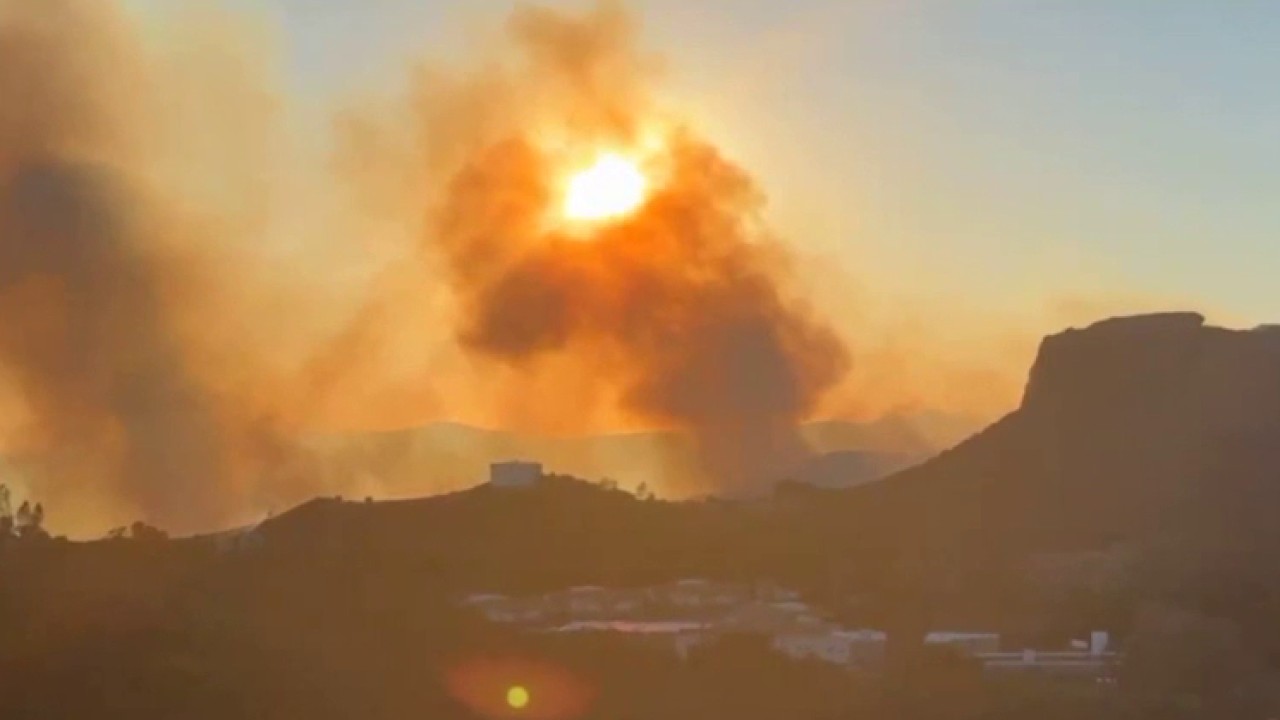
Bryson Fire Expands Amid Multi-Day Wind Event
Residents of Malibu are confronting a deteriorating emergency scenario as the Bryson Fire demonstrates no indication of stabilization, propelled by a severe meteorological pattern that promises to sustain hazardous conditions for the foreseeable future. Current reports confirm that the fire continues to spread across the challenging terrain, driven by sustained strong Santa Ana winds that authorities project will hammer the region until at least the weekend. This intersection of active fire growth and extreme weather has generated a highly volatile environment, intensifying operational hurdles for suppression teams and elevating immediate risks to life and property throughout the affected canyon neighborhoods.
Wind Forecast Dictates Fire Behavior Trajectory
The dominant factor influencing the current crisis is the persistence of the wind event sweeping through Southern California. Meteorological assessments indicate that high-velocity gusts typical of the Santa Ana circulation will endure, establishing a multi-day window of amplified danger. These winds function as a direct catalyst for wildfire dynamics; by channeling arid air from the interior deserts toward the Pacific coast, the atmospheric flow desiccates native vegetation and fosters erratic fire movement. Officials have stressed that the wind threat is not transient, with forecasts pointing to continued adverse conditions through the weekend. This prolonged exposure heightens the likelihood of spotting incidents, where burning debris is lofted by turbulence and deposited miles ahead of the main fire front, potentially igniting new blazes beyond established control lines.
Meteorological Mechanics and Regional Vulnerability
Malibu’s unique topography exacerbates the impact of these winds. The coastal mountain ranges act as a natural funnel, accelerating wind speeds and increasing their drying efficiency as they descend toward the ocean. Historically, this geographic configuration has made the area prone to rapid fire development during Santa Ana episodes. The current forecast suggests that the atmosphere will remain unstable, maintaining the conditions that allow the Bryson Fire to exploit available fuels with minimal resistance. The endurance of strong winds through the weekend implies that any temporary lull in fire activity is unlikely, requiring continuous vigilance from emergency management personnel.
Tactical Challenges for Suppression Operations
The fact that the Bryson Fire continues to spread highlights the formidable obstacles facing incident command. Firefighters are engaged in a race against both the fuel load and the relentless push of the winds, attempting to construct defensive barriers while managing resources strained by the dual pressures of expansion and unpredictability. In the steep canyons and ridge tops characteristic of Malibu, fire behavior can shift suddenly, making ground-based tactics difficult to execute safely. The wind forecast complicates aerial operations as well; high wind shear and turbulent flows can limit the effectiveness of helicopter drops and fixed-wing retardant applications, forcing reliance on ground crews who face increased exposure to flame contact and heat stress.
Resource Allocation and Endurance Testing
Sustaining suppression efforts over a multi-day period presents a significant logistical challenge. The expectation of strong winds through the weekend means that tactical pauses for rest and equipment maintenance may be restricted, placing physical and mental demands on incident personnel. Inter-agency coordination is critical to ensure adequate staffing and supply chains are maintained. Commanders are likely assessing the fire’s progression relative to the wind backdrop, adjusting strategies to prioritize protection of threatened structures and vital infrastructure. The inability to contain the fire quickly underscores the severity of the situation, as each passing hour under windy conditions increases the cumulative risk of escape.
Community Safety and Preparedness Imperatives
For those living within the influence of the Bryson Fire, the guidance from emergency officials remains unequivocal: the threat level is high and conditions can change rapidly. The combination of a spreading fire and persistent winds necessitates strict compliance with safety directives. Mandatory evacuation orders, should they be issued, require immediate execution, as wind shifts can alter fire trajectories with little warning. Even individuals outside evacuation zones face risks from ember intrusion, which can ignite roofs and decks even when flames are distant. Air quality is anticipated to decline sharply as smoke plumes drift through the valleys, posing health hazards for residents with respiratory vulnerabilities. Local shelters and relief organizations may see increased demand as the weekend approaches, prompting preparations to support displaced families and those seeking refuge from poor air conditions.
Long-Term Implications and Recovery Outlook
The resolution of the Bryson Fire episode will hinge on the eventual dissipation of the Santa Ana winds and the ability of firefighting units to gain traction on the perimeter. Once winds subside, recovery operations will focus on mop-up efforts, re-establishing access roads, and assessing structural damage. The environmental footprint of the fire will also come into view, with concerns regarding soil stability and potential erosion in burn scar areas. Rebuilding discussions may begin to surface, though regulatory reviews and insurance processes will dictate the pace of return. For now, the focus remains squarely on mitigation and safety, as the region endures the stress of a fire that refuses to yield to the elements.
Monitoring and Communication Channels
Public information officers emphasize the importance of staying connected to official updates. Real-time data on fire location, wind shifts, and road closures is disseminated through emergency alerts and agency social media platforms. Residents are urged to monitor these channels closely, as decisions regarding evacuation zones or shelter-in-place orders depend on minute-by-minute assessments of the fire’s behavior. Cooperation from the community, including adherence to defensible space requirements and readiness to evacuate on short notice, plays a vital role in minimizing losses. The next forty-eight hours represent a critical phase, with the wind forecast serving as the primary determinant of whether the fire will expand further or begin to stabilize.
Source Reference (foxla.com): Malibu fire: Strong winds remain a threat for days
Frequently Asked Questions (FAQ)
How long are the strong Santa Ana winds expected to last?
Strong Santa Ana winds are forecast to continue in the Malibu area until at least the weekend, maintaining a heightened fire threat.
What is the current status of the Bryson Fire?
The Bryson Fire continues to spread, indicating that containment has not yet been achieved and suppression efforts are ongoing.
What areas are impacted by the Bryson Fire?
The fire is located in Malibu, affecting canyon communities and posing risks to structures and natural landscapes within the region.
{“@context”:”https://schema.org”,”@type”:”FAQPage”,”mainEntity”:[{“@type”:”Question”,”name”:”How long are the strong Santa Ana winds expected to last?”,”acceptedAnswer”:{“@type”:”Answer”,”text”:”Strong Santa Ana winds are forecast to continue in the Malibu area until at least the weekend, maintaining a heightened fire threat.”}},{“@type”:”Question”,”name”:”What is the current status of the Bryson Fire?”,”acceptedAnswer”:{“@type”:”Answer”,”text”:”The Bryson Fire continues to spread, indicating that containment has not yet been achieved and suppression efforts are ongoing.”}},{“@type”:”Question”,”name”:”What areas are impacted by the Bryson Fire?”,”acceptedAnswer”:{“@type”:”Answer”,”text”:”The fire is located in Malibu, affecting canyon communities and posing risks to structures and natural landscapes within the region.”}}]}