King Charles III Cuts Cancer Treatment Following Early Detection
A Sovereign’s Address: Streamlining Therapy Through Prompt Intervention
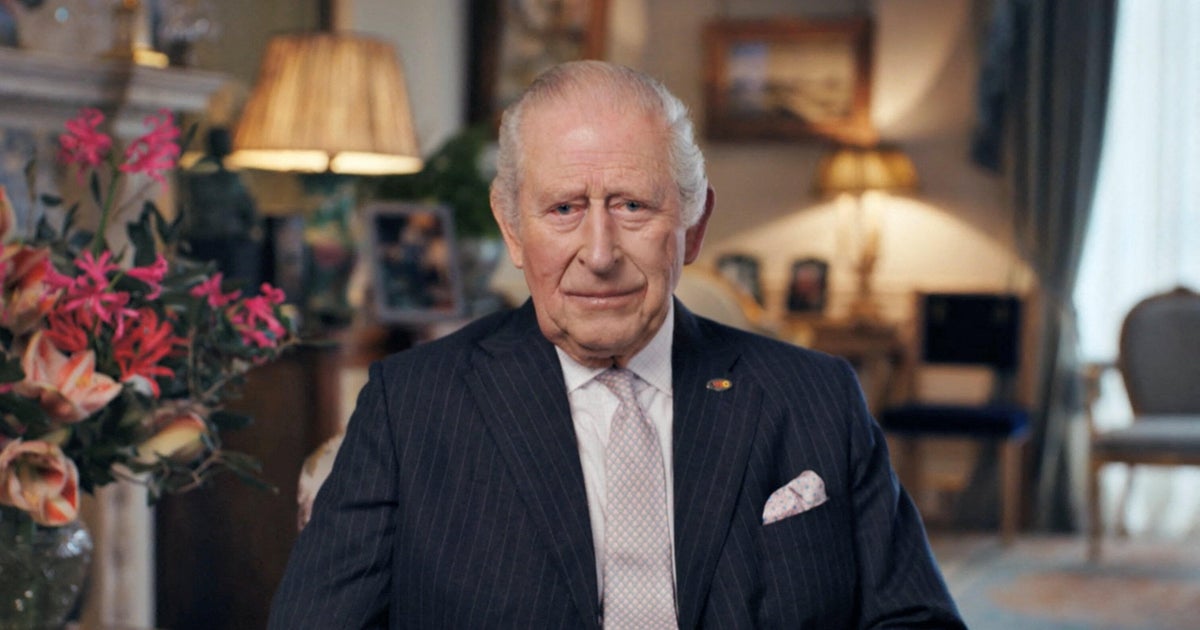
King Charles III delivered a calibrated message to the British public this Friday, confirming that his oncological regimen will be significantly reduced as the calendar shifts to January. The seventy-seven-year-old monarch attributed the modified therapeutic schedule to three interconnected factors: rapid identification of the condition, responsive clinical protocols, and strict adherence to medical directives. Delivered as a prerecorded television segment, the address formed the centerpiece of a nationwide public health initiative designed to motivate citizens to utilize available diagnostic programs before malignancies advance beyond highly treatable phases.
Clinical Trajectory and Diagnostic Origins
This development marks a distinct inflection point in a health trajectory first disclosed nearly a year ago. When Buckingham Palace initially confirmed the presence of a malignancy, officials deliberately withheld the specific classification. Subsequent clarifications from royal medical advisors emphasized that the condition was uncovered incidentally during routine management of an enlarged prostate gland. Palace representatives explicitly cautioned observers against assuming the monarch is battling gastrointestinal cancers, despite the statistical benchmarks presented during the broadcast. Reflecting on the past twenty-two months since his initial revelation, Charles utilized the platform to underscore a fundamental clinical reality: interceptive medicine produces substantially different prognoses than reactive care. He noted that maintaining his daily routines and constitutional responsibilities remained entirely feasible throughout the therapeutic window, a testament to the efficacy of the prescribed interventions.
The Public Health Imperative: Bridging the Diagnostic Gap
Beyond personal prognosis, the sovereign’s address functioned as a direct appeal to civic responsibility regarding preventative healthcare. He expressed profound concern over recent health authority figures indicating that approximately nine million residents across the United Kingdom have fallen behind on recommended diagnostic appointments. According to the monarch, each missed appointment represents a forfeited chance for timely intervention, compounding long-term strain on the National Health Service. To illustrate the statistical divide between early and advanced-stage detection, Charles referenced colorectal pathology metrics. He pointed out that when malignant growths are identified at their nascent phase, five-year survival rates approach ninety percent. Conversely, delayed identification drops those odds dramatically to merely ten percent. These figures align with longstanding epidemiological data maintained by British health institutions, reinforcing the urgent need for widespread participation in voluntary diagnostic pathways. Healthcare analysts note that expanding access to routine colonoscopies and blood-based markers could substantially alter mortality curves across demographic groups.
Shattering Traditional Royal Protocol
The decision to publicly navigate a serious medical diagnosis represented a decisive break from centuries of monarchical convention. Historically, British royals treated physiological conditions as strictly confidential matters, offering minimal details to maintain institutional mystique and shield the public from perceived vulnerability. This administration consciously abandoned that restraint, opting instead for strategic transparency. Palace communications stated the dual objective was to neutralize unfounded rumors while providing a tangible framework for global audiences navigating similar diagnoses. The immediate aftermath of the original disclosure demonstrated substantial public engagement. Digital traffic to Cancer Research UK surged by thirty-three percent within weeks of the announcement, as individuals actively sought educational materials regarding symptom recognition and prevention strategies. This measurable shift in public behavior highlighted the unique influence wielded by the crown when addressing civilian welfare initiatives, effectively transforming a private health matter into a catalyst for systemic awareness.
Operational Continuity and Public Reintegration
Despite the intensive nature of the required therapies, the sovereign maintained a calculated balance between recuperation and governance. Following the initial diagnosis, public-facing obligations were paused for approximately eight weeks to prioritize clinical recovery. Throughout this interval, however, essential state functions proceeded without interruption, preserving the constitutional stability expected of the head of state. By April of the previous year, Charles had resumed ceremonial appearances, notably visiting the oncology wing at University College Hospital in central London. During that engagement, he engaged directly with medical personnel and conversed with individuals undergoing active therapies. His observations during that visit reflected a deep empathy forged through firsthand experience, acknowledging the psychological weight of receiving a pathological diagnosis while validating the resilience of those enduring prolonged treatments. The visit served as a practical demonstration that royal duties and health management are not mutually exclusive, provided scheduling remains deliberate and medically supervised.
Long-Term Implications for National Health Advocacy
This chapter of the king’s reign illustrates how modern constitutional figures can leverage their platform to drive substantive policy awareness. By personalizing the narrative around diagnostic accessibility, the palace has transformed a private health matter into a catalyst for systemic improvement. The anticipated reduction in treatment intensity serves as both a personal milestone and a public proof-of-concept for preventative medicine. As healthcare administrators continue monitoring screening participation rates, the monarch’s advocacy underscores a persistent challenge: converting medical availability into consistent civic action. The coming months will likely see sustained focus on rural and underserved communities where diagnostic infrastructure remains fragmented, ensuring the conversation extends far beyond ceremonial acknowledgment. Ultimately, the sovereign’s willingness to share his medical trajectory reinforces a broader democratic principle—that health transparency benefits society when paired with actionable public education.
Source Reference (cbsnews.com): King Charles III says he'll scale back cancer treatment thanks to early diagnosis