Harris Surges Ahead of Newsom in Early 2028 Dem Poll
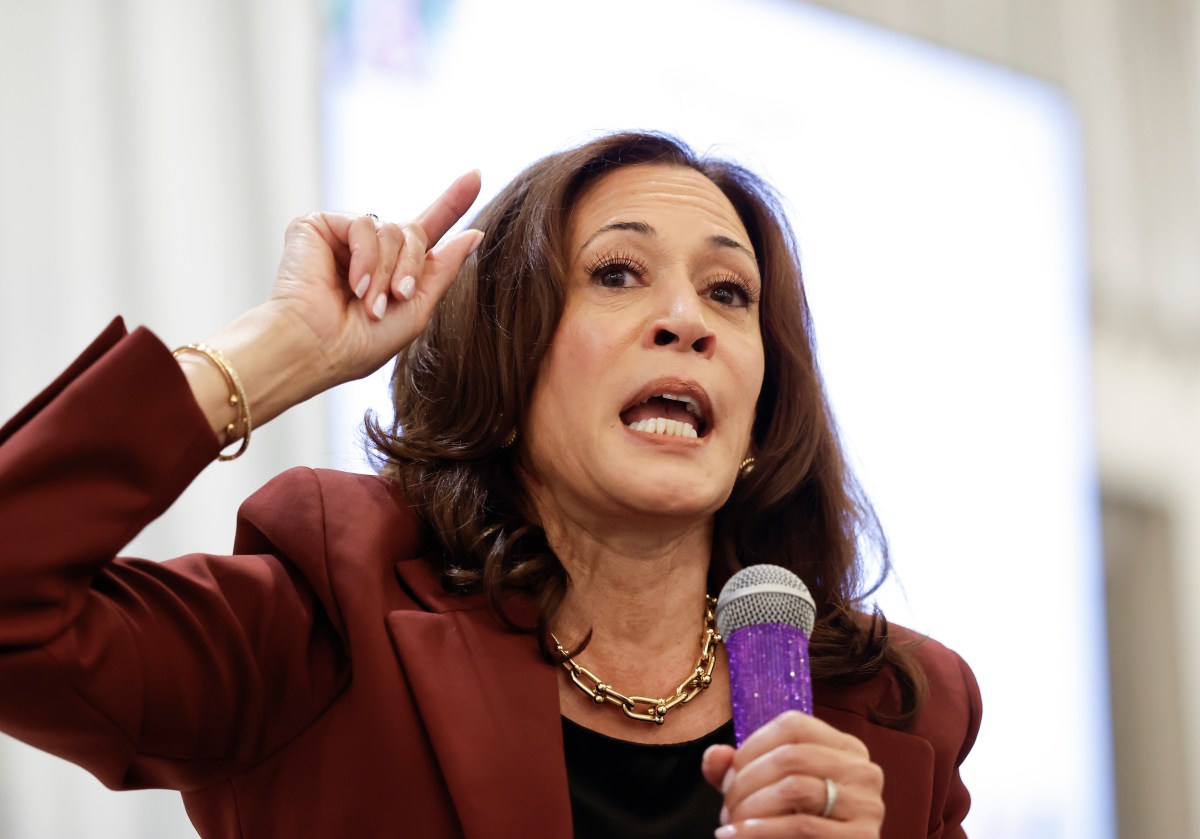
Harris Establishes Commanding Early Lead Over Newsom
Former Vice President Kamala Harris has secured a decisive advantage in the nascent race for the 2028 Democratic presidential nomination, opening a 15-point gap over California Governor Gavin Newsom in fresh polling released this week. The Financial Times/Focaldata survey positions Harris as the party’s primary frontrunner more than two years before voters cast their ballots, even as she maintains silence regarding her own campaign intentions.
The survey, published on October 11, captures Democratic preferences amid the intensifying buildup to November’s midterm elections. Thirty percent of respondents named Harris as their preferred nominee, a figure that eclipses Newsom’s 15 percent share. Former Transportation Secretary Pete Buttigieg and New York Congresswoman Alexandria Ocasio-Cortez trail in a statistical tie at 9 percent each, with Georgia Senator Jon Ossoff registering 8 percent support.
Polling Trends and Methodology
Conducted between October 2 and 5 among 2,553 U.S. adults, the Focaldata data offers a critical snapshot of the political landscape. While the poll includes a generic congressional ballot measure revealing Democrats holding an eight-point advantage over Republicans, its candidate-specific findings provide a baseline for the 2028 contest. The results align with a persistent trend observed across multiple recent surveys.
A late-September Harvard CAPS/Harris poll placed Harris at 38 percent against Newsom’s 17 percent. Similarly, an Echelon Insights survey from earlier that month recorded a 24-to-14 percent margin favoring Harris. These consistent outcomes suggest that despite the vast temporal distance from the actual election, Harris has successfully consolidated support within the Democratic base. However, political observers emphasize that early preference does not guarantee long-term commitment. Voter behavior expressed more than 24 months in advance often shifts due to evolving circumstances, candidate viability, and the eventual composition of the field.
Harris’s Political Calculus and Party Dynamics
For Harris, the polling dominance emerges during a period of intense scrutiny and internal party reflection. Following her defeat in the 2024 presidential election to former President Donald Trump, the former vice president has kept her options open. In July, she stated she had not yet decided whether to mount another bid for the White House. Since then, she has remained highly active, engaging with major Democratic donors and leveraging her influence to bolster down-ballot candidates ahead of the midterms.
An October 6 report by The Washington Post highlighted the competing pressures Harris faces within the party coalition. Some Democrats view her extensive executive experience and established fundraising apparatus as essential assets needed to counter Trump. Conversely, others argue the party requires a fresh face following the 2024 loss, questioning whether a return by Harris would energize the base or signal stagnation. Her continued strength in polling indicates the former narrative currently holds sway, but her decision remains pivotal. If Harris enters the race, it could force many potential contenders to reconsider their timelines or withdraw entirely.
Newsom’s Conditional Path and National Branding
Governor Newsom finds himself in a complex position relative to his former lieutenant governor. In a September interview with CNN’s Jake Tapper, Newsom issued a clear condition regarding his own ambitions, stating he would not enter the 2028 race if Harris decides to run. “I wouldn’t do that to her,” Newsom remarked, adding, “I wouldn’t waste everybody’s time.” He noted significant overlap in their political support bases and questioned the utility of a contest between two prominent Californians.
Despite this pledge, Newsom has been methodically building a national profile. He has campaigned vigorously for Democratic candidates outside California and positioned himself as a vocal critic of the Trump administration’s policies. His activities serve dual purposes: demonstrating readiness for a national role and gauging his appeal beyond his home state. Newsom also acknowledged previously considering a 2024 run but feeling unprepared. His current strategy leaves the door open for a presidential campaign contingent upon Harris’s absence, making her decision a direct trigger for his potential entry.
The Expanding Field and Progressive Voices
Beyond the Harris-Newsom dynamic, the 2028 landscape features a diverse array of prospective candidates. Rep. Ocasio-Cortez, tied with Buttigieg at 9 percent, has declined to rule out a presidential bid. During an August appearance on ABC’s This Week, she emphasized her focus on the midterms but confirmed, “I haven’t ruled out the possibility.” Her political brand, defined by progressive policy advocacy and grassroots mobilization, continues to resonate nationally. At a May event at the University of Chicago, she articulated a broad ambition, stating, “My ambition is to change this country,” rather than fixating solely on office acquisition.
Ocasio-Cortez has recently directed her energy toward key races, including high-profile support for Michigan Senate candidate Abdul El-Sayed. Meanwhile, Governors Josh Shapiro of Pennsylvania, Andy Beshear of Kentucky, and JB Pritzker of Illinois represent additional heavyweights who have not formally entered the conversation but possess the resources and profiles to shape the field. Their movements will likely depend heavily on the trajectory set by Harris and Newsom.
Republican Primary Dynamics and Broader Context
The Democratic polling coincides with data outlining the GOP primary race. The same Financial Times/Focaldata survey reveals Vice President JD Vance commanding 38 percent support among prospective Republican candidates, followed by Secretary of State Marco Rubio at 24 percent. Florida Governor Ron DeSantis trails at 9 percent, with Donald Trump Jr. capturing 7 percent. These results mirror previous indicators, such as a late-September Harvard poll placing Vance at 39 percent, suggesting Vance has stabilized as the early favorite among Republicans.
The release of these surveys serves as a barometer for the broader electoral environment. With the midterms approaching less than three weeks away, the generic ballot advantage held by Democrats provides a favorable backdrop for prospective presidential candidates seeking to demonstrate party momentum. The 2026 cycle is effectively underway, with candidates using this period to expand networks and test messaging. For Harris, the immediate challenge is translating polling leadership into concrete campaign infrastructure should she choose to run. For Newsom, the calculus hinges on interpreting Harris’s silence and preparing for a scenario where she steps aside. As the Democratic Party navigates the post-2024 era, the interplay between these figures will define the party’s direction and its prospects for reclaiming the presidency.
Source Reference (newsweek.com): Kamala Harris Leads Newsom in 2028 Democrat Front-Runners Poll
Frequently Asked Questions (FAQ)
Who leads the 2028 Democratic presidential polling?
Kamala Harris leads with 30 percent support, followed by Gavin Newsom at 15 percent, according to the October Financial Times/Focaldata survey.
Has Kamala Harris announced a 2028 presidential run?
No. Harris has not officially announced a campaign, stating in July that she has not yet made a decision about seeking the White House again.
What is Gavin Newsom's stance on running against Harris?
Newsom stated he would not enter the 2028 race if Harris decides to run, noting he would not compete against her or waste voters' time.
How does JD Vance perform in Republican polling?
JD Vance leads the Republican field with 38 percent support, ahead of Marco Rubio at 24 percent, in the same Financial Times/Focaldata survey.
{“@context”:”https://schema.org”,”@type”:”FAQPage”,”mainEntity”:[{“@type”:”Question”,”name”:”Who leads the 2028 Democratic presidential polling?”,”acceptedAnswer”:{“@type”:”Answer”,”text”:”Kamala Harris leads with 30 percent support, followed by Gavin Newsom at 15 percent, according to the October Financial Times/Focaldata survey.”}},{“@type”:”Question”,”name”:”Has Kamala Harris announced a 2028 presidential run?”,”acceptedAnswer”:{“@type”:”Answer”,”text”:”No. Harris has not officially announced a campaign, stating in July that she has not yet made a decision about seeking the White House again.”}},{“@type”:”Question”,”name”:”What is Gavin Newsom’s stance on running against Harris?”,”acceptedAnswer”:{“@type”:”Answer”,”text”:”Newsom stated he would not enter the 2028 race if Harris decides to run, noting he would not compete against her or waste voters’ time.”}},{“@type”:”Question”,”name”:”How does JD Vance perform in Republican polling?”,”acceptedAnswer”:{“@type”:”Answer”,”text”:”JD Vance leads the Republican field with 38 percent support, ahead of Marco Rubio at 24 percent, in the same Financial Times/Focaldata survey.”}}]}