Hegseth Seal Sparks Nazi Eagle Claims Amid War Dept Row
The Visual Flashpoint: Eagle Motifs and Historical Resonance
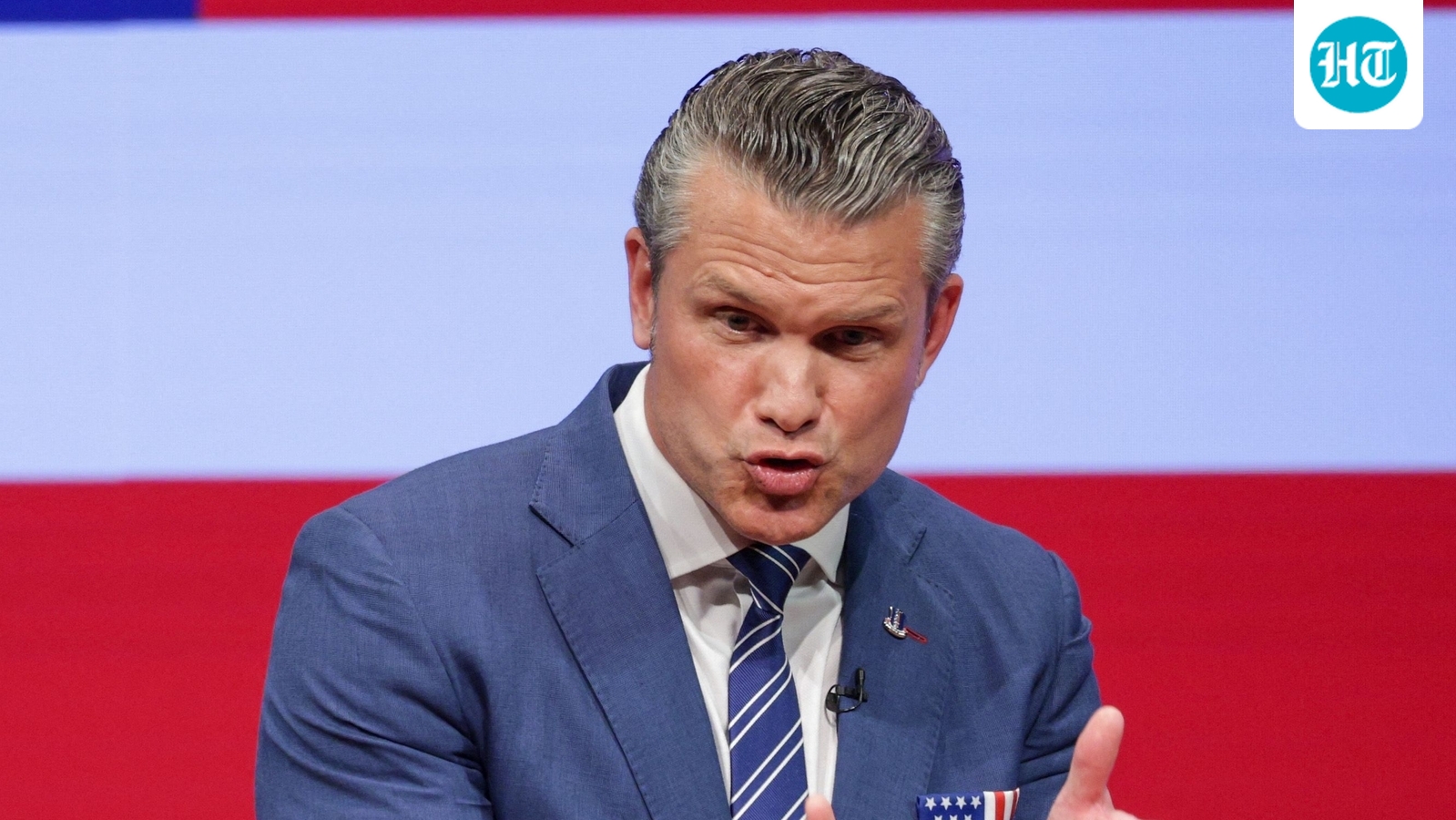
A recent address by Secretary of Defense Pete Hegseth at the United States Air Force Academy has triggered a vigorous online dispute concerning official government insignia. Critics circulating on digital platforms have drawn direct parallels between the newly emphasized Department of War seal and avian iconography associated with Nazi Germany, prompting urgent questions regarding design oversight and historical sensitivity within the administration’s highest echelons. The controversy centers on the raptor depicted in the departmental emblem, a choice that has collided with the intense visual literacy of modern social media users.
Heraldic Traditions Versus Modern Sensitivities
The core of the dispute lies in the universal adoption of the eagle as a symbol of power across Western governance. In American military tradition, the eagle represents strength, vigilance, and national sovereignty, featuring prominently on the Great Seal of the United States and the insignia of every branch of service. The Department of War seal utilizes this established motif, adhering to federal heraldic conventions that prioritize symmetry, forward-facing orientation, and open wings. However, the superficial resemblance to the eagle employed by the Wehrmacht has fueled accusations of inappropriate mimicry.
Experts analyzing the graphic assets clarify that critical distinctions separate the two designs. The Nazi eagle, utilized extensively during the Third Reich, incorporated specific modifications mandated by regime decrees, most notably the inclusion of a swastika in the grasping talons and distinct variations in feather detailing. The Department of War seal contains none of these identifiers. It maintains strict adherence to American heraldic standards, eschewing any symbols associated with totalitarian regimes. The convergence of the two images appears to result from the shared lineage of raptor symbolism in Western art rather than any intentional appropriation. Nevertheless, the visual overlap has proven sufficient to ignite debate, highlighting the challenges of navigating public perception when traditional emblems intersect with traumatic historical memories.
The ‘Department of War’ Nomenclature Shift
This scrutiny of the seal emerges against the backdrop of a significant administrative transformation. The administration has moved to restore the title “Department of War,” replacing the designation “Department of Defense” that has defined the agency since 1947. This nomenclature change carries profound historical weight, evoking the era preceding America’s entry into World War II and signaling a shift toward a more assertive posture regarding global conflict. The restoration of the older title reflects a deliberate effort to realign the military establishment with a philosophy emphasizing decisive combat capability over purely defensive metrics.
Strategic Signaling and Diplomatic Echoes
The combination of the restored title and the eagle-centric seal has amplified the visibility of the department’s branding efforts. Proponents of the change argue that the new terminology and imagery convey clarity, resolve, and a return to the fundamental purpose of armed forces: to wage war successfully when diplomacy fails. The eagle serves as a natural complement to this messaging, projecting dominance and authority. However, detractors warn that the aesthetic choices risk generating unnecessary friction. The pairing of the “War” designation with a raptor motif that triggers associations with Nazi iconography could complicate diplomatic relations and undermine soft-power objectives. The incident underscores the delicate balance required when revisiting historical frameworks; while the intent may be to invoke American resilience, the execution must avoid inadvertently echoing adversaries of the past.
Hegseth’s Address at the Air Force Academy
Pete Hegseth’s appearance at the Air Force Academy in Colorado Springs was intended to serve as a platform for outlining his strategic vision for the armed forces. Addressing cadets and faculty, the secretary emphasized themes of discipline, technological superiority, and the imperative of maintaining unbroken readiness in an increasingly volatile geopolitical landscape. The event aimed to inspire the next generation of aerospace leaders and reinforce the chain of command. Hegseth, a former combat infantry officer and prominent media commentator, brought a distinct rhetorical style to the podium, drawing on his military service and subsequent career to connect with the audience.
Command Presence and Cadet Expectations
The Air Force Academy stands as a premier institution for training military officers, expecting its leadership engagements to reflect meticulous attention to protocol and symbolism. Cadets are trained to appreciate the nuances of military heritage and to uphold the integrity of service traditions. Consequently, the graphical assets displayed during the broadcast and in promotional materials received immediate close examination. The incident demonstrates that in the era of high-definition streaming and instant digital analysis, the visual packaging of leadership messages receives scrutiny equal to the verbal content. Hegseth’s ability to communicate his policy goals was overshadowed by the post-speech discourse focusing on the insignia, illustrating the difficulty public officials face in controlling narratives when administrative decisions intersect with deeply embedded cultural memory.
Digital Amplification and Information Hygiene
The rapid dissemination of claims linking the seal to Nazi imagery exemplifies the volatile dynamics of contemporary political communication. Within hours of the speech, images comparing the Department of War emblem to historical Nazi graphics circulated widely across social media platforms. Many posts stripped context from the visuals, relying on algorithmic amplification of outrage to drive engagement. Hashtags and discussion threads proliferated, often prioritizing emotional reaction over factual verification. This environment poses significant hurdles for government communications teams seeking to correct misconceptions quickly.
Navigating the Social Media Ecosystem
While some contributors aimed to provoke political backlash, others sought to understand the design rationale behind the seal. Fact-checkers and heraldry specialists responded by pointing out the absence of prohibited symbols and explaining the independence of American heraldic evolution from European totalitarian styles. Yet, the initial shock value of the comparison ensured that the controversy dominated headlines. The “truth” emerging from the digital noise confirms that the Department of War seal operates firmly within legitimate American tradition, lacking any ideological markers of Nazism. However, the perception gap remains a persistent obstacle. The episode serves as a reminder that visual association can override technical accuracy in public discourse, forcing institutions to invest more resources in proactive explanation and design transparency.
Broader Implications for Defense Communications
Beyond the immediate debate over graphic design, the controversy reveals underlying tensions regarding military branding and the management of historical interpretation. As the United States navigates complex international alliances and security challenges, the symbols projected by its defense apparatus carry substantial diplomatic weight. Every emblem, title, and uniform element is scrutinized through the lens of global optics. The row over the Department of War seal functions as a cautionary tale about the intersection of aesthetics, politics, and public sentiment.
Leadership within the defense establishment must demonstrate not only strategic competence but also acute sensitivity to the visual language of power. Establishing trust requires consistency between stated values and symbolic representation. For the Department of War, moving forward involves reinforcing the distinction between American martial tradition and totalitarian iconography while addressing legitimate concerns about historical resonance. The resolution of this dispute will likely depend on clear communication regarding the design intent, coupled with educational efforts that contextualize the seal within the broader tapestry of American military heritage. Ultimately, the incident highlights the necessity for rigorous review processes in government branding to prevent inadvertent offense and maintain the integrity of institutional symbols.
Source Reference (hindustantimes.com): Did Pete Hegseth use the Nazi eagle at Dept. of War event? Here's the truth amid row over seal
Frequently Asked Questions (FAQ)
Does the Department of War seal contain any swastikas?
No. The Department of War seal adheres to American heraldic standards and does not include swastikas or other symbols associated with Nazi Germany.
Why did Pete Hegseth speak at the Air Force Academy?
Hegseth addressed the Academy to outline his vision for military readiness, engage with future officers, and emphasize the strategic priorities of the Department of War.
What is the significance of renaming the agency to the Department of War?
The name change from Department of Defense to Department of War reflects a policy shift toward a more aggressive posture and a return to traditional military terminology emphasizing combat readiness.
{“@context”:”https://schema.org”,”@type”:”FAQPage”,”mainEntity”:[{“@type”:”Question”,”name”:”Does the Department of War seal contain any swastikas?”,”acceptedAnswer”:{“@type”:”Answer”,”text”:”No. The Department of War seal adheres to American heraldic standards and does not include swastikas or other symbols associated with Nazi Germany.”}},{“@type”:”Question”,”name”:”Why did Pete Hegseth speak at the Air Force Academy?”,”acceptedAnswer”:{“@type”:”Answer”,”text”:”Hegseth addressed the Academy to outline his vision for military readiness, engage with future officers, and emphasize the strategic priorities of the Department of War.”}},{“@type”:”Question”,”name”:”What is the significance of renaming the agency to the Department of War?”,”acceptedAnswer”:{“@type”:”Answer”,”text”:”The name change from Department of Defense to Department of War reflects a policy shift toward a more aggressive posture and a return to traditional military terminology emphasizing combat readiness.”}}]}