Diddy Prison Injury Tied to Altercation With Coke
The Emergency Response and Custodial Transfer
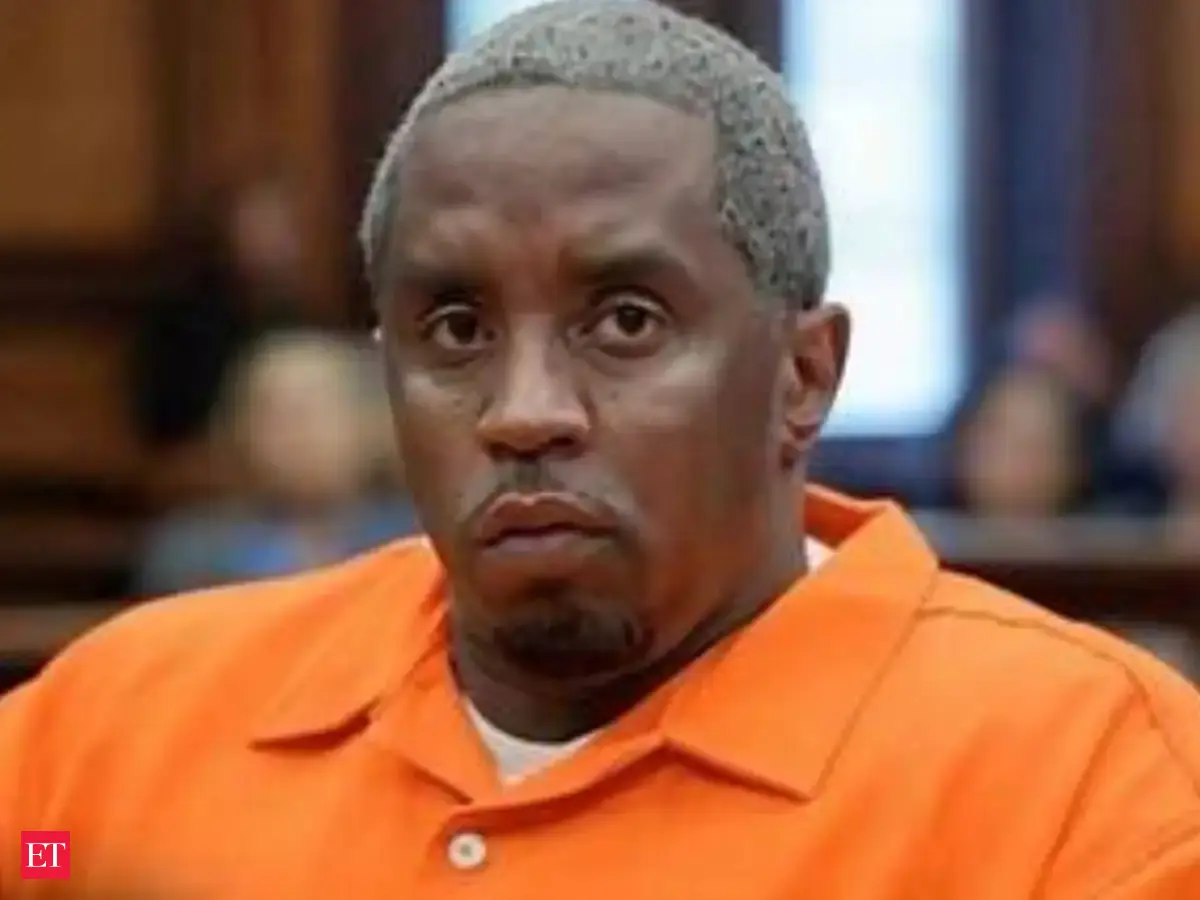
Medical personnel were dispatched to the detention facility following reports of a severe physical confrontation that left Sean Combs sustaining a traumatic head injury. According to institutional logs and preliminary accounts, the incident triggered an immediate emergency protocol, resulting in rapid transport to a nearby trauma center for urgent evaluation and stabilization. The sudden medical evacuation underscored the volatile environment within high-profile federal housing units, where inmates facing complex litigation often occupy adjacent wings or share limited recreational spaces despite strict segregation mandates.
Documenting the Physical Altercation
Early investigative summaries point toward a direct engagement between Combs and Christopher Coke, a figure widely recognized within transnational law enforcement circles. Correctional officers reportedly intervened to separate the two individuals before the situation escalated further. While institutional spokespeople have declined to release granular security footage or staff deployment records, the nature of the head trauma necessitated swift external medical intervention, temporarily halting all scheduled court appearances and defense consultations. The incident has prompted an internal review of housing assignments, movement schedules, and common-area monitoring across the facility.
Background on the Accused Inmate
Christopher Coke, universally identified by the alias Dudus, carries a documented history spanning decades of organized crime operations across the Caribbean basin. Originally apprehended in Jamaica for his alleged role in orchestrating widespread electoral violence and narcotics distribution networks, Coke was subsequently transferred to American jurisdiction following a highly publicized extradition proceeding. His case became a focal point in cross-border law enforcement cooperation, ultimately resulting in a lengthy federal sentence that continues to anchor him within the United States correctional system.
A History of Transnational Criminal Operations
Judicial records indicate that Coke’s conviction rested upon extensive testimony detailing coordinated efforts to manipulate local politics, suppress rival factions, and control illicit supply chains throughout the early twenty-first century. His prolonged incarceration has made him a recognizable presence among federal detainees, though his placement within the same housing complex as Combs represents an unusual convergence of two entirely distinct criminal trajectories. Legal analysts note that while neither party shares operational ties with the other, the sheer magnitude of their respective cases ensures intense media scrutiny, which can inadvertently heighten tensions within confined detention environments.
Detention Protocols and Security Overhaul
Federal custodial facilities operate under stringent classification systems designed to isolate high-risk individuals, prevent unauthorized communication, and mitigate violence through rotational scheduling and electronic surveillance. Following the reported assault, administrators initiated a comprehensive audit of wing assignments, guard rotation patterns, and inter-inmate proximity controls. Standard operating procedures typically require staggered recreation windows, mediated transit corridors, and continuous camera coverage in shared zones, yet the complexity of managing celebrity detainees alongside nationally monitored criminals occasionally strains logistical frameworks.
Impact on Pending Litigation
Combs currently navigates a multifaceted federal indictment encompassing allegations of systematic exploitation, conspiracy, and enterprise-level misconduct. The sudden medical diversion disrupts the prosecution timeline, forcing judicial calendars to accommodate extended recovery periods and additional competency evaluations. Defense counsel must adjust deposition strategies, secure updated medical documentation, and coordinate with forensic experts who can assess whether the injury introduces new evidentiary considerations or procedural delays. Meanwhile, prosecutors continue preparing witness presentations, financial tracing analyses, and digital evidence compilations that remain unaffected by the custodial interruption.
Broader Institutional and Cultural Repercussions
Beyond the immediate courtroom maneuvering, the incident highlights persistent challenges within the federal detention apparatus when managing ultra-high-profile inmates. Media saturation, public speculation, and relentless press accreditation often complicate daily operations, requiring additional security layers that strain already stretched correctional budgets. Institutional oversight bodies routinely examine how celebrity status influences housing classifications, visitation privileges, and access to legal resources, prompting renewed debates about equitable treatment versus operational necessity.
The entertainment sector has also registered the developments, with industry stakeholders closely monitoring how prolonged legal entanglements intersect with personal safety and professional rehabilitation. Production pipelines, endorsement contracts, and archival licensing agreements frequently pause during active indictments, creating cascading financial uncertainties that extend far beyond individual reputational damage. As investigators compile officer statements, medical reports, and surveillance transcripts, the federal justice system prepares to determine whether administrative adjustments or disciplinary actions will follow the custody breach.
Looking ahead, the trajectory of this case hinges on transparent documentation, adherence to established detention protocols, and the judicial system’s capacity to manage concurrent pressures from media scrutiny, legal strategy, and institutional accountability. Until formal findings are published, all parties involved will navigate a tightly regulated environment where every procedural misstep carries significant consequences for both public safety and constitutional rights.
Source Reference (economictimes.indiatimes.com): Diddy’s prison head injury linked to fight with Jamaican drug lord Christopher ‘Dudus’ Coke-here's what reports say
Frequently Asked Questions (FAQ)
What caused Sean Combs to receive emergency medical treatment in custody?
Reports indicate he sustained a head injury during a physical altercation with fellow detainee Christopher Coke, triggering immediate emergency transport and medical evaluation.
Who is Christopher 'Dudus' Coke?
He is a Jamaican-born crime figure convicted in U.S. federal court for roles in transnational narcotics operations and electoral violence, currently serving a lengthy prison sentence.
How does the incident affect Combs' ongoing legal proceedings?
The injury has temporarily halted scheduled court appearances and defense consultations while authorities conduct internal reviews, potentially causing procedural delays in his federal trial timeline.
{“@context”:”https://schema.org”,”@type”:”FAQPage”,”mainEntity”:[{“@type”:”Question”,”name”:”What caused Sean Combs to receive emergency medical treatment in custody?”,”acceptedAnswer”:{“@type”:”Answer”,”text”:”Reports indicate he sustained a head injury during a physical altercation with fellow detainee Christopher Coke, triggering immediate emergency transport and medical evaluation.”}},{“@type”:”Question”,”name”:”Who is Christopher ‘Dudus’ Coke?”,”acceptedAnswer”:{“@type”:”Answer”,”text”:”He is a Jamaican-born crime figure convicted in U.S. federal court for roles in transnational narcotics operations and electoral violence, currently serving a lengthy prison sentence.”}},{“@type”:”Question”,”name”:”How does the incident affect Combs’ ongoing legal proceedings?”,”acceptedAnswer”:{“@type”:”Answer”,”text”:”The injury has temporarily halted scheduled court appearances and defense consultations while authorities conduct internal reviews, potentially causing procedural delays in his federal trial timeline.”}}]}