Colts’ Richardson Faces Marijuana Possession Charge
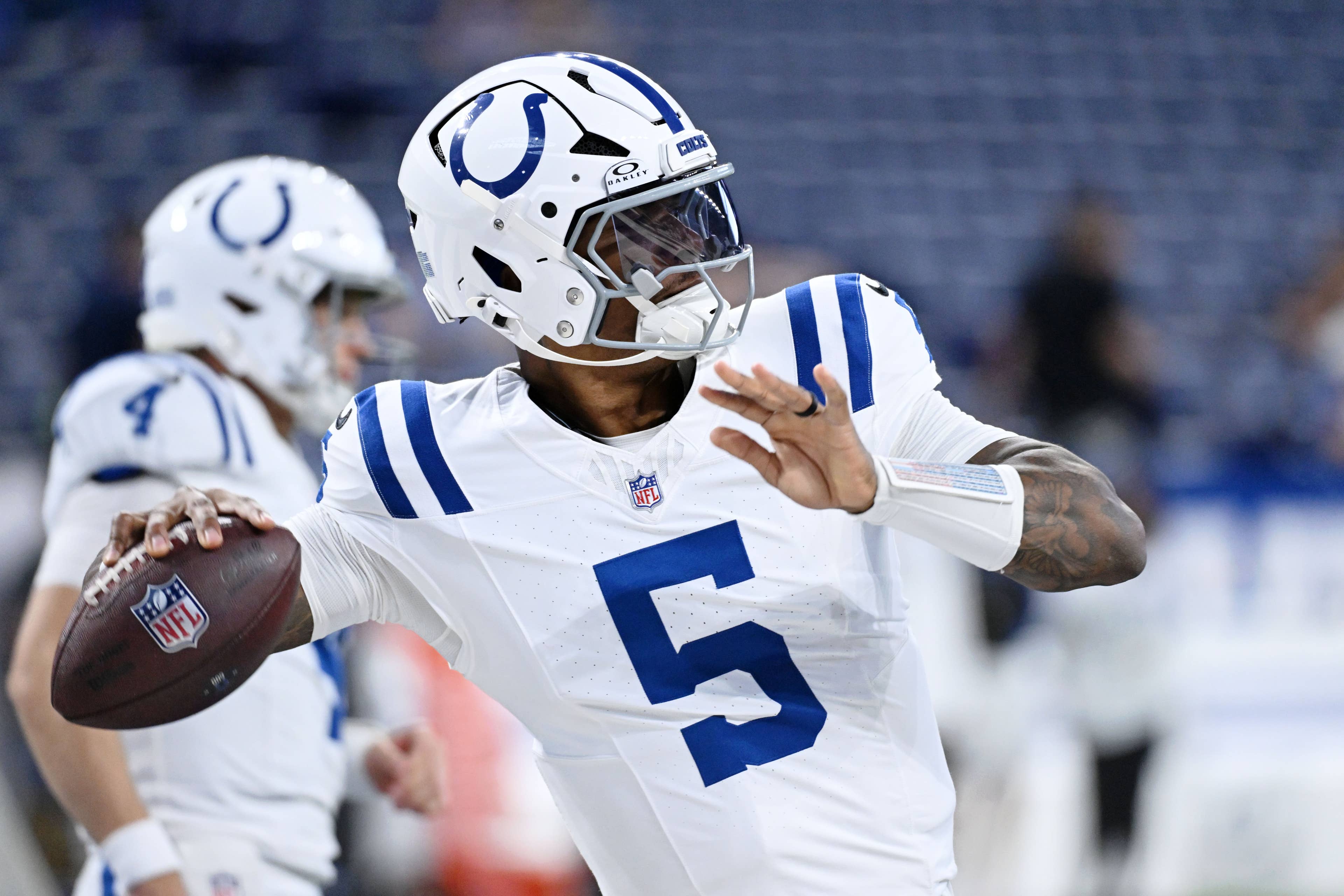
Colts Quarterback Confronts Criminal Allegation Amidst Development Phase
Indianapolis Colts quarterback Anthony Richardson is navigating a new legal challenge after authorities filed a misdemeanor possession of marijuana charge against him. The allegation stems from a traffic stop conducted earlier this month, introducing a fresh complication to the professional trajectory of one of the league’s most physically gifted recent draftees. While the offense carries a lesser classification, the incident demands scrutiny given Richardson’s profile, the intense observation inherent in professional sports, and the procedural steps now unfolding within the judicial system.
The Incident and Immediate Aftermath
Traffic Stop Sequence
The chain of events began with a routine law enforcement interaction. Police initiated a traffic stop, which subsequently escalated following the discovery of contraband leading to the current charge. Detailed specifics regarding the precise location of the stop or the initial traffic violation remain anchored to official police documentation generated at the time of the encounter. The timing situates the incident firmly within the current calendar month, ensuring the matter is active and awaiting judicial review.
Misdemeanor Classification
Prosecutors have categorized the offense as a misdemeanor rather than a felony. Within the spectrum of criminal offenses, a misdemeanor possession charge generally denotes a lower tier of severity compared to charges involving distribution or trafficking. This classification significantly influences potential penalties, which may encompass fines, probation, or diversion programs, contingent upon state statutes and the defendant’s criminal history. For Richardson, this distinction reduces the immediate risk of incarceration but mandates a formal response through legal representation.
Legal Framework and Potential Resolutions
Indiana Jurisdictional Parameters
As the Colts operate under Indiana jurisdiction, the case adheres to Hoosier legal standards. Indiana law outlines specific thresholds for marijuana possession offenses. First-time offenders charged with simple possession often face misdemeanor designations, though penalties can vary based on quantity or aggravating circumstances. The legal process requires Richardson to engage in court proceedings, potentially enter plea discussions, or prepare for trial. A favorable outcome could result in a dismissal, reduction of charges, or completion of a program aimed at avoiding a permanent conviction record.
Procedural Timeline
The arrest initiates a formal docket entry within the court system. Richardson’s defense counsel will likely file motions addressing evidentiary sufficiency or negotiate with prosecutors to mitigate consequences. Given the misdemeanor nature, expedited resolution is feasible, though the schedule depends on court dockets and strategic choices by both parties. A final disposition will determine the ultimate standing of the charge, influencing Richardson’s legal record and any associated collateral effects.
Professional Implications for Indianapolis
Roster Eligibility and Discipline
From an operational perspective, a misdemeanor possession charge does not automatically trigger suspension under the NFL’s collective bargaining agreement or personal conduct policy. League suspension protocols typically reserve intervention for more severe allegations involving violence, drug trafficking, or repeated misconduct. Consequently, Richardson remains eligible to participate in team activities, practice sessions, and potential game action, assuming no additional disciplinary measures arise. The Colts organization retains full discretion to manage Richardson’s role based on football merit rather than legal entanglements of this classification.
Organizational Stance
NFL franchises generally issue communications emphasizing adherence to legal processes and support for players while cases proceed. The Colts are expected to cooperate with inquiries while preserving confidentiality regarding internal deliberations. The front office’s priority centers on evaluating Richardson’s development as a quarterback. His progression involves balancing off-field responsibilities with on-field execution, a dual mandate essential for success at the professional level.
Contextualizing Richardson’s Career Narrative
High Expectations and Injury History
Richardson’s entry into the NFL was defined by immense anticipation. Selected with the fourth overall pick, he possesses rare athletic traits that have drawn admiration from scouts and fans. However, his tenure has been marred by significant injury setbacks, including shoulder surgery necessitating extensive rehabilitation. The burden to demonstrate durability and consistency rests heavily on his shoulders. Off-field incidents, regardless of severity, feed into the broader narrative regarding a player’s maturity and reliability. Managing these distractions is as vital as mastering schematic assignments.
Media Scrutiny and Public Perception
Quarterbacks endure disproportionate attention, where every decision, injury, and legal issue becomes subject to analysis. Richardson must navigate a media environment where isolated events can be magnified. Maintaining focus and projecting professionalism is crucial for building trust with coaches, teammates, and ownership. Resolving this legal matter efficiently allows discourse to return to gridiron performance, where Richardson aims to validate his status as a franchise cornerstone.
Broader NFL Considerations
League Standards and Precedent
The NFL tracks criminal charges across all member clubs. While minor offenses rarely provoke league-level action, the organization maintains conduct standards. Teams hold primary responsibility for addressing internal matters. Historical precedents indicate that many players resolve misdemeanor charges without lasting career impact, provided they comply with legal requirements and avoid recurrence. The emphasis remains on accountability and constructive resolution.
The marijuana possession charge against Anthony Richardson presents a legal hurdle requiring careful navigation. The misdemeanor classification offers a pathway for resolution that minimizes long-term disruption, yet the incident highlights the necessity of vigilance for athletes under intense public scrutiny. As the case advances through the courts, attention will pivot toward the final judgment. Simultaneously, the Colts continue to assess Richardson’s capabilities on the field, weighing the realities of professional football against the complexities of life beyond the stadium.
Source Reference (msn.com): What we know about Colts QB Anthony Richardson's marijuana possession charge
Frequently Asked Questions (FAQ)
What specific charge is Anthony Richardson facing?
Anthony Richardson is facing a misdemeanor possession of marijuana charge.
When did the incident occur?
The charge follows a traffic stop that took place earlier this month.
Will this charge affect his NFL eligibility?
A misdemeanor possession charge typically does not trigger automatic suspension under NFL policies, so Richardson remains eligible to play unless further disciplinary action occurs.
{“@context”:”https://schema.org”,”@type”:”FAQPage”,”mainEntity”:[{“@type”:”Question”,”name”:”What specific charge is Anthony Richardson facing?”,”acceptedAnswer”:{“@type”:”Answer”,”text”:”Anthony Richardson is facing a misdemeanor possession of marijuana charge.”}},{“@type”:”Question”,”name”:”When did the incident occur?”,”acceptedAnswer”:{“@type”:”Answer”,”text”:”The charge follows a traffic stop that took place earlier this month.”}},{“@type”:”Question”,”name”:”Will this charge affect his NFL eligibility?”,”acceptedAnswer”:{“@type”:”Answer”,”text”:”A misdemeanor possession charge typically does not trigger automatic suspension under NFL policies, so Richardson remains eligible to play unless further disciplinary action occurs.”}}]}