Cardiologists Counter Viral Cholesterol Misinformation
The Digital Echo Chamber Versus Clinical Reality
A coordinated wave of cardiovascular misinformation circulating across digital platforms has prompted leading cardiologists to issue a firm rebuttal, emphasizing that established medical science leaves no room for doubt regarding lipid management. In a formal statement released on Monday, specialists underscored that elevated levels of low-density lipoprotein, commonly referred to as bad cholesterol, remain a direct catalyst for myocardial infarctions, cerebrovascular accidents, and premature mortality. The clarification arrives as public health officials navigate a growing divide between peer-reviewed cardiology and algorithm-driven wellness forums.
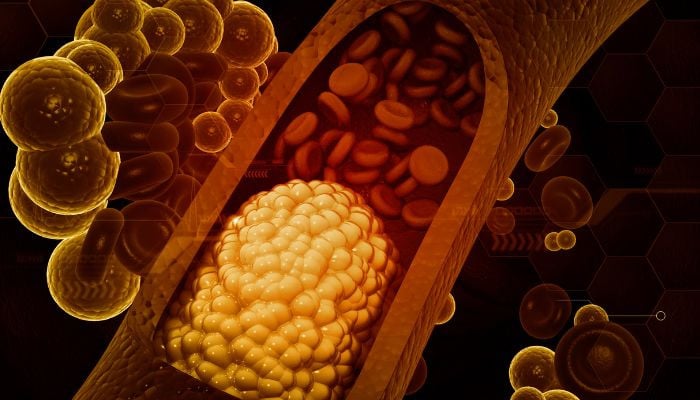
The proliferation of unverified health advice on social networks has fundamentally altered how patients perceive preventive care. Users frequently encounter fragmented clips and anecdotal testimonials that downplay the physiological dangers of dyslipidemia. Medical professionals stress that the biochemical pathway linking excess LDL accumulation to arterial narrowing is well-documented. While internet discourse often frames cholesterol solely as a dietary villain, cardiologists maintain that the body actually requires lipids for structural integrity and endocrine function. The real concern lies in the imbalance between transport proteins. Low-density lipoprotein deposits fatty material along vessel walls, whereas high-density lipoprotein functions as a clearance mechanism, ferrying surplus lipids back to hepatic processing centers for elimination.
Decades of Progress Under Threat
Public health data reveals a dramatic downward trajectory in cardiovascular fatalities over the past several decades. This statistical improvement correlates directly with three major interventions: widespread adoption of lipid-lowering pharmaceuticals, improved management of systemic blood pressure, and sustained reductions in tobacco consumption. Despite these measurable victories, contemporary skepticism toward statin therapy is gaining traction online. Patients increasingly question the long-term safety profile of these medications, while simultaneously adopting misconceptions about dietary cholesterol versus metabolic cholesterol production. Federal health agencies have spent years publishing educational campaigns to counteract these narratives, yet the digital amplification of anti-medication sentiment continues to challenge clinical adherence.
The Silent Progression and Testing Protocols
One of the most dangerous aspects of elevated lipid levels is their completely silent presentation. Individuals typically experience zero physical warning signs as plaque gradually restricts blood flow. Consequently, many patients remain unaware of their condition until they suffer a catastrophic vascular event. To intercept this progression before symptoms emerge, health authorities recommend routine screening intervals. Adults should undergo comprehensive lipid panel examinations at least once every five years, provided no underlying risk factors exist. Between diagnostic visits, clinicians advise implementing structured behavioral modifications. These include reducing intake of saturated fats, maintaining consistent aerobic conditioning, and eliminating all forms of nicotine exposure.
Beyond Lifestyle: Pharmacological Interventions and Genetic Complexities
For a significant portion of the population, behavioral adjustments alone cannot overcome genetic or metabolic barriers. Patients diagnosed with familial hypercholesterolemia carry inherited mutations that impair natural lipid clearance pathways. Similarly, individuals managing chronic diabetes or existing coronary artery disease face compounded vascular risks that demand aggressive pharmacological intervention. In these scenarios, physicians frequently prescribe statin compounds to modulate hepatic enzyme activity. When standard regimens prove insufficient, newer therapeutic classes such as PCSK9 inhibitors offer targeted solutions. Clinical trials demonstrate that these injectable agents can suppress LDL concentrations by approximately sixty percent, providing a critical safety net for high-risk cohorts who cannot rely on diet and exercise alone.
Diagnostic Precision and Evolving Risk Assessment
Diagnostic precision remains another area requiring careful attention. Researchers at Johns Hopkins Medicine recently analyzed conventional risk assessment models and identified significant measurement discrepancies. Their findings indicate that traditional LDL estimation formulas fail to accurately reflect true cardiovascular vulnerability in nearly twenty-five percent of examined cases. This limitation underscores the necessity of moving beyond basic numerical thresholds. Physicians are increasingly incorporating advanced biomarkers, imaging techniques, and polygenic risk scores to construct personalized treatment frameworks. Relying exclusively on outdated calculation methods may leave vulnerable populations unprotected against silent arterial damage.
Broader Implications for Public Health Strategy
The intersection of digital culture and medical science demands rigorous verification. As healthcare providers continue to refine screening protocols and develop more potent lipid-modifying therapies, public trust in evidence-based guidelines remains essential. Suppressing viral health rumors through transparent education and accessible clinical resources will determine whether future generations maintain the cardiovascular progress achieved over the last thirty years. Regulatory bodies and professional medical societies are now prioritizing rapid-response communication channels to ensure that patients receive accurate, actionable information before unverified claims shape treatment decisions.
Source Reference (geo.tv): Cholesterol myths debunked: Cardiologists push back as misinformation spreads online