H5N1 Confirmed as Cause of Death for Big Bear Eagle Jackie
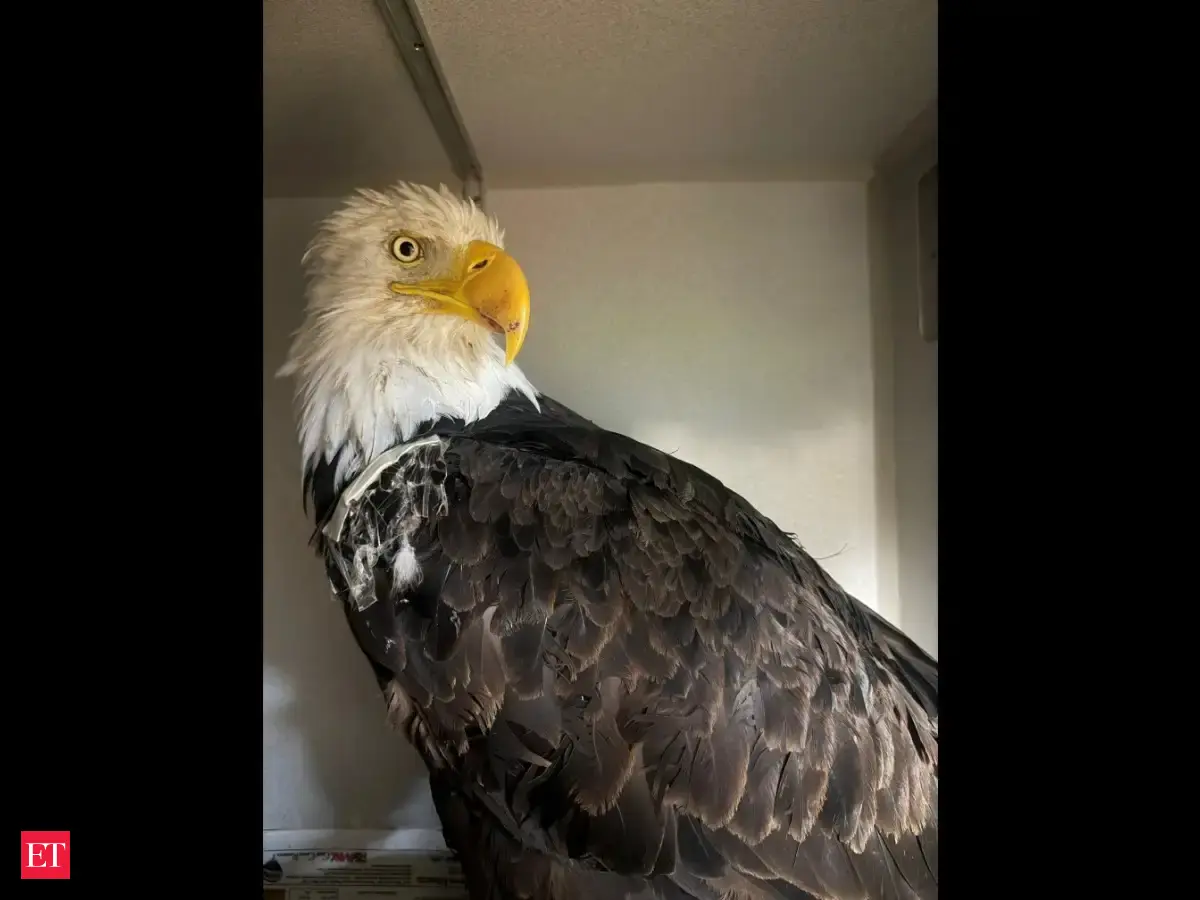
Wildlife officials have formally identified avian influenza as the definitive cause of mortality for a bald eagle known locally as Jackie, who was recovered near Big Bear Lake. The laboratory confirmation has shifted the focus from initial speculation to active ecological assessment, prompting regional biologists to intensify surveillance protocols across Southern California’s raptor communities. The diagnosis arrives at a critical juncture for wildlife managers, who are tracking viral spread patterns among apex scavengers and evaluating how emerging pathogens intersect with established conservation frameworks.
The Diagnostic Confirmation and Field Response
Upon recovery, Jackie underwent standard necropsy procedures coordinated by state wildlife authorities and independent veterinary pathologists. Tissue samples collected from the respiratory tract and gastrointestinal system were subjected to polymerase chain reaction testing and viral sequencing. Results returned positive for the highly pathogenic H5N1 strain, with no secondary infections or traumatic injuries detected. The absence of physical trauma ruled out collision events, predation, or poisoning as contributing factors, isolating the viral infection as the sole determinant of mortality.
Field personnel immediately initiated containment measures around the discovery site, documenting environmental conditions and mapping potential exposure zones. Biologists emphasized that rapid sample transport to certified diagnostics laboratories remains essential for accurate strain identification. The swift turnaround allowed agencies to issue preliminary guidance to rehabilitation centers, hunting groups, and recreational stakeholders operating within the mountainous terrain surrounding Big Bear Lake.
Understanding Avian Influenza in Raptor Populations
Viral Pathogenesis and Scavenger Vulnerability
Bald eagles occupy a unique ecological niche that inherently increases their exposure to zoonotic and avian-origin pathogens. As obligate scavengers, these birds routinely consume carrion left by ungulates, domestic livestock, and wild game. When infected animals shed viral loads through bodily fluids or decomposing tissue, eagles ingest concentrated doses during feeding. The H5N1 variant exhibits high virulence in avian species, replicating rapidly in the respiratory epithelium before spreading systemically. Once the virus crosses the blood-brain barrier or overwhelms cardiac tissue, neurological decline and organ failure typically follow within forty-eight hours.
Raptors possess robust immune systems honed by evolutionary pressures, yet the current circulating strain demonstrates enhanced transmissibility and lethality compared to historical low-pathogenicity forms. Mortality rates among exposed eagles vary depending on viral load, age, nutritional status, and pre-existing health conditions. Jackie’s case highlights how even physically mature adults remain susceptible when confronted with novel viral variants carrying significant antigenic shifts.
Transmission Dynamics and Wild Bird Carriers
The primary reservoir for H5N1 remains migratory waterfowl, particularly dabbling ducks, geese, and shorebirds that traverse continental flyways. These species often carry the virus asymptomatically, shedding particles through fecal matter and respiratory droplets into wetland ecosystems. When eagles congregate near lakes, rivers, or agricultural runoff zones where infected birds rest or feed, environmental contamination creates direct exposure routes. Wind currents and seasonal temperature fluctuations further influence viral persistence in soil and shallow water bodies.
Secondary transmission pathways involve intraspecific contact during roosting aggregations and interspecies interactions with corvids, owls, and hawks sharing overlapping territories. The Big Bear region functions as a transitional habitat linking Sierra Nevada foothills with desert basins, creating natural corridors that concentrate multiple avian species. Wildlife ecologists note that such convergence points amplify spillover risk, especially during autumn migration windows when population densities peak.
Broader Implications for Wildlife Management
The official classification of avian influenza as Jackie’s cause of death triggers mandatory reporting under federal wildlife disease statutes. Agencies must now compile epidemiological data, map geographic spread, and coordinate with federal research institutes to track mutation rates. Public messaging shifts toward educational outreach, urging land managers, anglers, and backcountry users to avoid disturbing carcasses and report unusual bird behavior promptly.
Habitat modification efforts may also face recalibration. Managers are reviewing nesting site placements, artificial roost structures, and supplemental feeding stations to minimize crowding and reduce viral transmission vectors. Long-term strategies incorporate passive surveillance networks utilizing citizen science platforms, where verified sightings and mortality reports feed directly into centralized databases for real-time analysis.
What This Means for Conservation Efforts
Bald eagle recovery programs represent one of North America’s most successful conservation victories, transitioning the species from endangered status to stable population growth across western states. Nevertheless, emerging infectious diseases introduce new variables that threaten hard-won gains. Population modeling indicates that sustained mortality spikes among breeding adults could compress reproductive output and delay demographic recovery in localized watersheds.
Research institutions are accelerating vaccine development trials adapted specifically for captive and semi-wild raptor populations. While mass vaccination remains logistically unfeasible for free-ranging eagles, targeted immunization protocols for rehabilitation facilities and sanctuary environments provide a practical buffer. Genetic diversity studies are also being prioritized to identify individuals with natural resistance markers, informing selective breeding initiatives that bolster herd immunity over generational timescales.
Monitoring and Future Precautions
Surveillance intensity will remain elevated throughout the upcoming seasonal transition periods. Biologists are deploying remote sensing equipment, environmental swabbing campaigns, and periodic necropsy screenings across high-traffic riparian zones. Collaboration between state departments, academic research centers, and international ornithological networks ensures data harmonization and rapid alert dissemination.
Stakeholders operating in the Big Bear corridor are advised to maintain strict biosecurity practices, sanitize field gear between sites, and refrain from handling deceased wildlife without proper protective equipment. Educational workshops scheduled for local conservation districts will outline recognition symptoms, reporting procedures, and safe observation distances. The overarching objective centers on preserving ecological balance while mitigating pathogen amplification in vulnerable apex species.
Frequently Asked Questions
- Is avian influenza dangerous to humans in this context? Current strains show limited human transmissibility, though occupational exposure for wildlife handlers requires standard precautions and medical screening.
- Will bald eagle populations face long-term decline? Historical data suggests localized impacts rather than species-wide collapse, provided surveillance and habitat management adapt swiftly to viral dynamics.
- How can the public assist in monitoring efforts? Residents should document unusual bird behavior via official wildlife reporting channels, avoid carcass contact, and participate in community science surveys to enhance data coverage.
Source Reference (economictimes.indiatimes.com): Bird Flu confirmed as primary cause of Big Bear bald eagle Jackie's death, raising concerns and what it means for other raptors