Ryan Gosling Steals ‘Barbie’ as Kens Seize Power
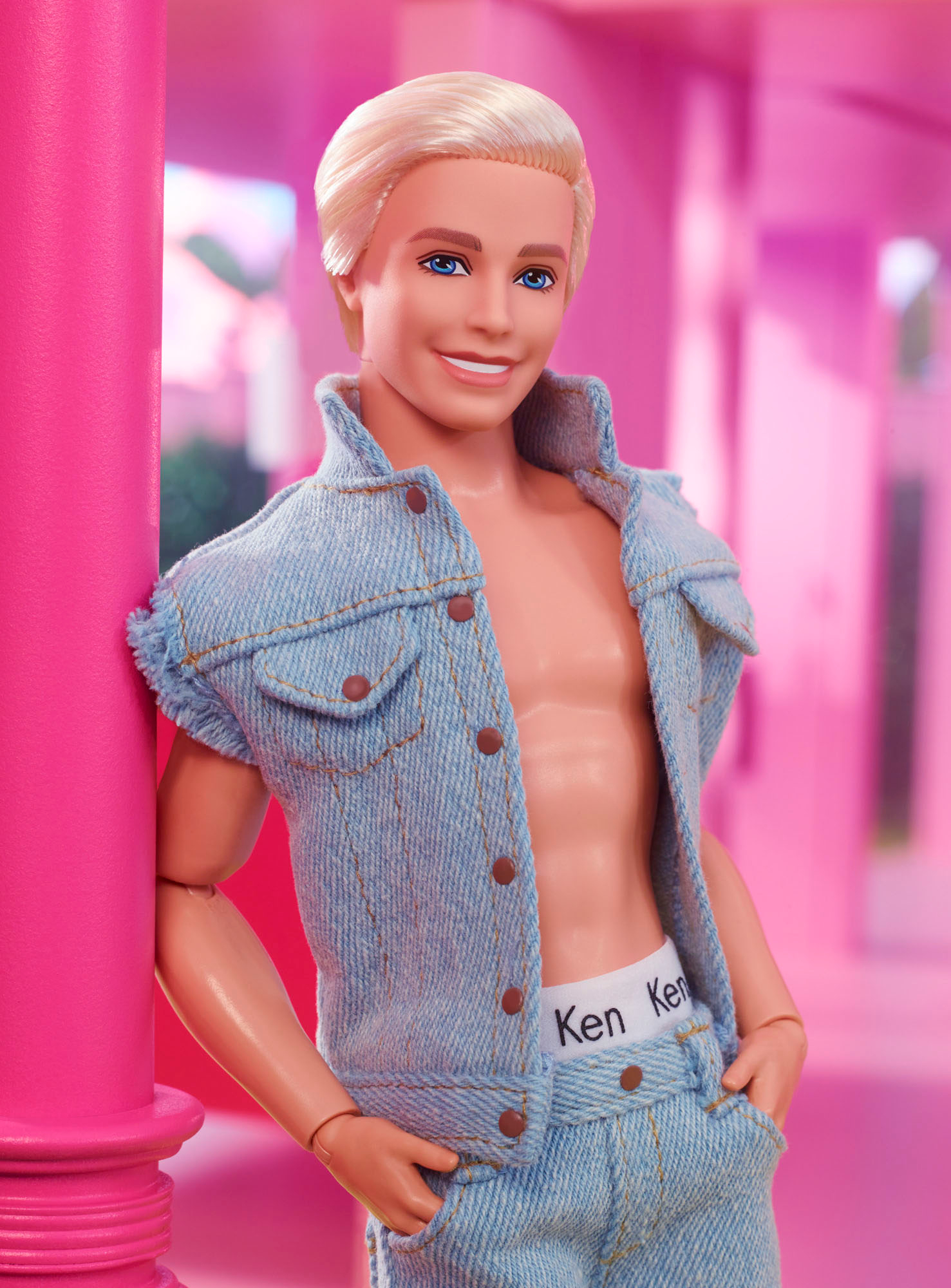
A Magnetic Turn Anchors the Pink Metropolis
Ryan Gosling has emerged as the undeniable focal point of the latest cinematic phenomenon, delivering a performance in Greta Gerwig’s adaptation of the iconic toy franchise that industry analysts are already projecting toward awards-season contention. While the film boasts a constellation of high-profile talent, Gosling’s portrayal of Ken transcends the traditional parameters of a supporting character, evolving into a narrative engine that drives both humor and emotional resonance. Critics observing the premiere screenings have noted that the actor’s commitment to the material rivals his most celebrated dramatic work, effectively neutralizing skepticism surrounding the project’s commercial origins and establishing a new benchmark for franchise storytelling.
The Architecture of Barbieland’s Social Hierarchy
To understand the magnitude of Gosling’s contribution, one must examine the structural dynamics of the fictional setting. Barbieland operates as a meticulously ordered matriarchy where the Barbies hold dominion over every facet of life, from governance to leisure. Within this ecosystem, the Kens occupy a subordinate position, functioning essentially as decorative appendages rather than autonomous entities. Their existence is defined by dependency; they derive purpose solely through the attention granted by the Barbies. The Kens wait in perpetual readiness, hoping to be selected for a drive, a dance, or a casual acknowledgment. This systemic reliance creates a backdrop of quiet desperation, a tension that Gosling exploits with remarkable subtlety.
The actor navigates the physical comedy of the role while embedding layers of vulnerability beneath the polished exterior. Every glance toward a Barbie, every attempt to secure notice, carries the weight of a man seeking validation in a world that treats him as optional. Gosling transforms this passivity into active yearning, making the audience empathize with a demographic historically relegated to the periphery of the brand’s mythology. His performance articulates the frustration of second-class citizenship without resorting to caricature, grounding the fantastical setting in recognizable human emotion.
Satirizing Power: When Patriarchy Sounds Like Fun
The narrative pivot occurs when the Kens, galvanized by exposure to the human world, decide to dismantle the existing order. In a move that serves as the film’s central satirical mechanism, the Kens introduce the concept of patriarchy to Barbieland. However, the execution diverges sharply from grim political treatises; instead, the film presents a version of male dominance that is undeniably entertaining. The Kens revel in their newfound authority, adopting the trappings of power with exuberant enthusiasm. They organize, they proclaim themselves kings, and they orchestrate a takeover that feels less like a tyrannical coup and more like a raucous celebration of autonomy.
This inversion generates a unique comedic texture. The Kens’ pursuit of patriarchy is portrayed as absurd yet strangely compelling. There is an infectious energy to their rebellion, a sense of liberation that makes the Kens’ antics almost irresistible. Gosling leads this charge with a charismatic flair that sells the delusion. He embodies the Ken who believes he can be his own boss, capturing the euphoria of breaking free from subservience. The performance suggests that while the ideology may be ridiculous, the desire for self-determination is universal and valid. By framing the Kens’ ascent as ‘kind of awesome,’ the film critiques rigid gender roles while simultaneously celebrating the joy of defying expectations. Gosling’s Ken becomes an unlikely hero of personal agency, winning over viewers who find themselves rooting for the usurpers despite their flawed logic.
Musicality and Physical Commitment
Gosling’s versatility shines through in the film’s musical sequences, where he demonstrates vocal prowess and dance precision that complement his acting chops. The choreography requires a blend of athletic rigor and expressive fluidity, demanding that the performer synchronize movement with rhythm to advance the story. Gosling executes these numbers with a vaudevillian spirit, recalling the golden age of cinema while adapting the style to a modern sensibility. His physical transformation also warrants attention; the actor adopts a physique suited to the Ken archetype, yet he avoids the trap of empty vanity by infusing every pose with character intent. Whether surfing, driving, or striking a pose, his body language communicates the character’s internal state, reinforcing the narrative that Ken is more than just a surface-level icon.
Gerwig’s Direction and Production Ambition
Director Greta Gerwig has assembled a production environment that matches the scope of the story. Returning to the helm after helming critically acclaimed indie dramas, Gerwig brings a distinct authorial voice to the blockbuster format. The film utilizes practical sets and elaborate construction to recreate the plastic perfection of Barbieland, creating a tactile world that grounds the fantasy. This commitment to craftsmanship extends to the costume design and color palette, which serve as visual storytelling tools. The production design reinforces the thematic contrasts between the artificial perfection of the dolls and the messy complexity of the emotions they experience.
Gerwig’s direction ensures that the satire never undermines the heart of the story. She balances the critique of gender dynamics with genuine affection for the source material, resulting in a film that respects nostalgia while pushing boundaries. The ensemble cast supports Gosling’s lead, providing a diverse array of Ken archetypes that highlight different facets of masculinity and identity. This collaborative approach amplifies the central message, illustrating that the struggle for self-worth is multifaceted and shared across many individuals.
Cultural Implications and Audience Reception
The release of this adaptation marks a significant moment in entertainment history, signaling the successful revitalization of a legacy IP through creative reinvention. Audiences have responded enthusiastically to the film’s bold reinterpretation, embracing the complexity of its themes. The widespread discussion surrounding Ken’s arc indicates a shift in viewer engagement, where side characters are scrutinized and celebrated for their depth. Gosling’s performance has become a cultural touchstone, generating memes, fan art, and analytical discourse that extend far beyond the theater.
Moreover, the film’s exploration of patriarchy through a humorous lens invites reflection on contemporary gender politics. By presenting a world where men seize power and immediately succumb to ego and inefficiency, the movie offers a playful yet pointed commentary on real-world dynamics. It challenges audiences to consider the arbitrary nature of social hierarchies and the importance of mutual respect. The success of the film demonstrates that mainstream entertainment can tackle sophisticated ideas without sacrificing accessibility or enjoyment. Gosling’s Ken stands as a testament to the power of performance to elevate material, proving that even in a realm of plastic and paint, authentic human connection can emerge.
Source Reference (forbes.com): In ‘Barbie’ Ken’s Patriarchy Is Kind Of Awesome
Frequently Asked Questions (FAQ)
How does Ryan Gosling's performance differ from typical roles?
Gosling combines vaudevillian comedy, musical precision, and emotional vulnerability, showcasing a range that critics compare to his award-winning dramatic work.
What is the social structure of Barbieland?
Barbieland is a matriarchy where Barbies hold power, and Kens are second-class citizens who depend entirely on Barbie's attention for validation and purpose.
Why is the Kens' patriarchy portrayed positively in the film?
The film uses satire to depict the Kens' embrace of patriarchy as a joyful, energetic quest for autonomy, making their rebellion entertaining while critiquing power structures.
{“@context”:”https://schema.org”,”@type”:”FAQPage”,”mainEntity”:[{“@type”:”Question”,”name”:”How does Ryan Gosling’s performance differ from typical roles?”,”acceptedAnswer”:{“@type”:”Answer”,”text”:”Gosling combines vaudevillian comedy, musical precision, and emotional vulnerability, showcasing a range that critics compare to his award-winning dramatic work.”}},{“@type”:”Question”,”name”:”What is the social structure of Barbieland?”,”acceptedAnswer”:{“@type”:”Answer”,”text”:”Barbieland is a matriarchy where Barbies hold power, and Kens are second-class citizens who depend entirely on Barbie’s attention for validation and purpose.”}},{“@type”:”Question”,”name”:”Why is the Kens’ patriarchy portrayed positively in the film?”,”acceptedAnswer”:{“@type”:”Answer”,”text”:”The film uses satire to depict the Kens’ embrace of patriarchy as a joyful, energetic quest for autonomy, making their rebellion entertaining while critiquing power structures.”}}]}