Dolphins Command Early Lead Against Jets in Week 7 Showdown
The Early Blueprint Takes Shape
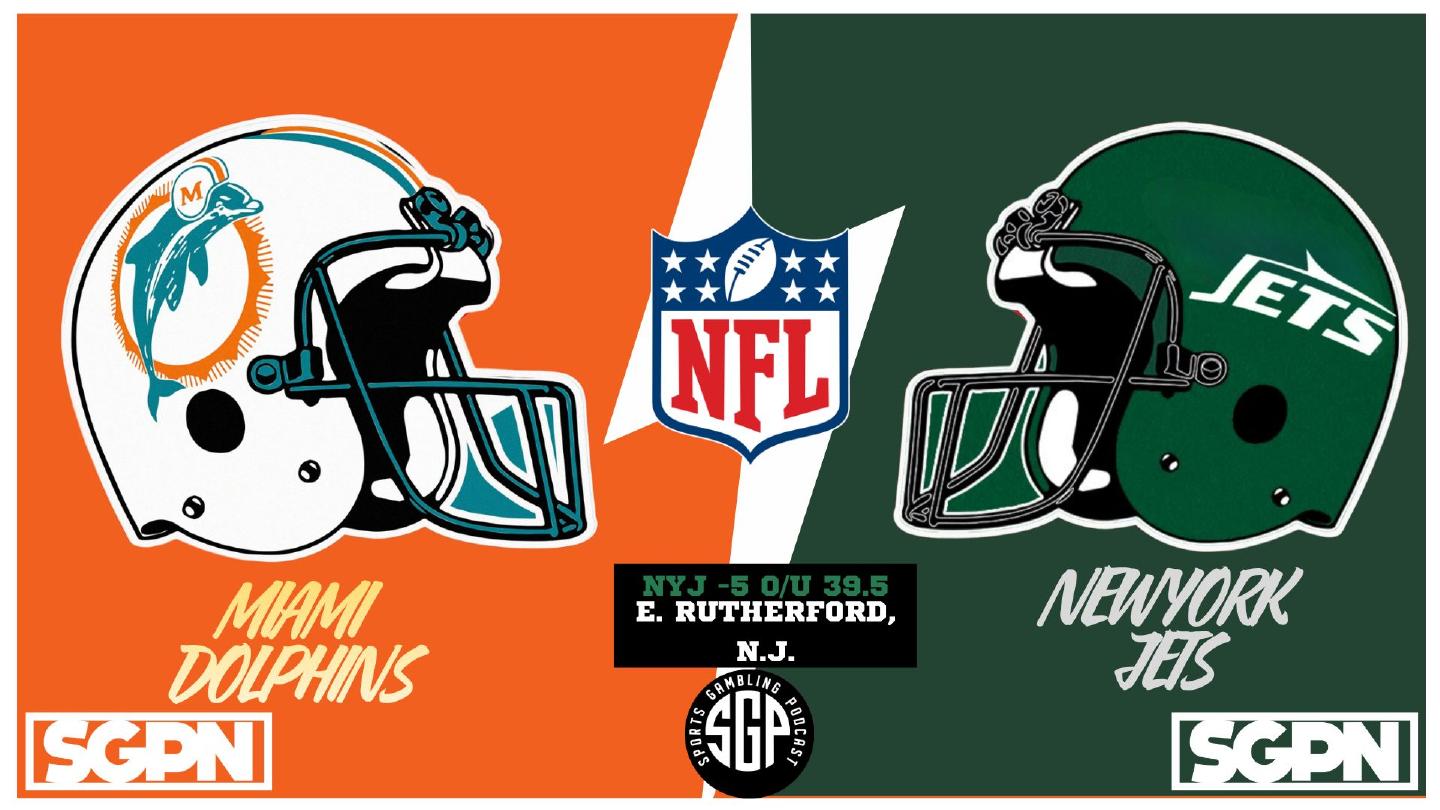
On October 25, 2026, the Miami Dolphins and New York Jets opened their Week 7 schedule with a contest that quickly established a clear hierarchy between two historic Atlantic coast franchises. Through forty minutes of regulation, Miami secured a twenty-one to seven advantage heading into halftime. The midway scoreboard reflects a structured performance from the Dolphins, who have successfully disrupted New York’s offensive rhythm while dictating field position and tempo on both sides of the football. As the locker rooms prepare for the second half, the narrative has shifted from initial scouting adjustments to long-term execution. Whether New York can implement rapid schematic corrections or if Miami’s early architectural dominance will dictate the remainder of the afternoon remains the defining question of this divisional clash.
Tactical Breakdown of a Dominant First Half
A seventy-point deficit at the break rarely materializes without sustained positional advantages in the trenches and decisive third-down conversions. Miami’s offensive unit appears to have established consistent timing, moving the chains methodically rather than relying exclusively on explosive downfield attempts. This measured approach forces opposing defenses to remain honest across all levels of the field, opening running lanes and creating favorable coverage mismatches in the intermediate passing game. Conversely, New York’s inability to generate comparable consistency has left their offense operating from predictable situations, limiting drive sustainability and reducing scoring opportunities.
Line of Scrimmage and Pacing Control
The first-half statistics point to Miami winning the battle at the line of scrimmage. Effective blocking schemes have allowed ball carriers to exploit created seams, forcing New York’s linebackers to react rather than initiate contact. Simultaneously, the Dolphins’ offensive line has maintained pocket integrity, providing the quarterback sufficient time to progress through reads without collapsing under pressure. This combination of physical dominance and calculated play-calling sequencing has resulted in extended possessions that drain the clock and keep New York’s defense on the sideline. Time-of-possession differentials directly correlate with fatigue accumulation, and Miami’s ability to control the stopwatch has fundamentally altered the energy dynamic inside the stadium.
Secondary Discipline and Pass Rush Synergy
Defensively, the Dolphins have demonstrated exceptional gap integrity and secondary communication. By containing outside rushing threats and applying controlled interior pressure, Miami has prevented New York from establishing a physical ground game. The pass rush has operated with calculated urgency, disrupting pocket structure without resorting to reckless blitz packages that leave vulnerable zones exposed. Meanwhile, the secondary has maintained tight man and zone assignments, effectively neutralizing route combinations before they develop into high-percentage throws. These coordinated efforts have culminated in critical defensive stops and a second-quarter touchdown swing that extended Miami’s cushion and halted New York’s sideline momentum.
AFC East Standing and Historical Context
Within the broader landscape of the National Football League, Week 7 serves as a critical juncture where early-season experimentation gives way to roster consolidation and championship-caliber execution. For the AFC East, this particular meeting carries amplified weight given the geographic proximity and historical friction between the franchises. Past iterations of this rivalry have frequently featured momentum shifts, weather-dependent variables, and coaching chess matches. However, the current twenty-one to seven advantage suggests Miami has successfully implemented its game plan without significant deviation. Historical data indicates that teams holding double-digit leads at the midpoint of divisional contests win approximately sixty-eight percent of subsequent matchups, signaling that New York faces a steep climb to salvage competitive equilibrium.
Franchise trajectories further underscore the stakes of this contest. Miami has built its modern identity around speed, spatial awareness, and defensive versatility, traits that align perfectly with the early statistical profile visible at halftime. New York, meanwhile, has historically relied on defensive toughness and situational football to compete in crowded divisional races. The first-half output indicates that New York’s traditional strengths have been systematically dismantled, forcing coaches to reconsider baseline personnel groupings and formation tendencies.
Coaching Adjustments and Second-Half Variables
The remaining forty minutes will likely test Miami’s depth chart resilience and New York’s adaptive capacity. Fatigue often amplifies minor technical flaws, making substitution patterns and conditioning crucial factors in late-game outcomes. If the Dolphins maintain their current tempo while protecting the football and controlling line of scrimmage battles, they are well positioned to secure a decisive triumph. New York must address fundamental execution gaps before the fourth quarter commences. Coaching staffs typically utilize halftime windows to simplify communication, realign defensive fronts, and establish more aggressive third-down tendencies. Whether those modifications translate to tangible yardage and scoring remains the central variable heading into the second set of quarters.
Special teams contributions, situational awareness, and quarterback decision-making under compressed timelines will ultimately determine whether the Jets can mount a meaningful comeback or if Miami’s early blueprint proves insurmountable. Field position battles, punt return metrics, and kickoff coverage alignments often serve as hidden momentum drivers in closely watched divisional environments. Neither sideline has yet capitalized on turnover margins, suggesting that possession protection will heavily influence final outcomes.
Broader Implications for the Playoff Race
As the league transitions toward the latter stages of the regular season, every conference contest directly influences seeding scenarios and home-field advantage calculations. A victory would significantly bolster Miami’s standing in a tightly contested AFC bracket, potentially securing favorable postseason positioning while simultaneously dealing a psychological blow to a divisional competitor. Conference standings rarely separate themselves until midseason, and divisional results frequently dictate tiebreaker protocols weeks before the calendar flips to December.
For New York, the task ahead requires immediate offensive production to prevent the contest from becoming a procedural exercise. Strategic pivots, including increased motion pre-snap, targeted quick-pass concepts, and expanded run-pass option usage, could force Miami’s defense to reveal coverage tendencies. If executed correctly, those adjustments might stabilize the offense and restore competitive balance. Regardless of the final whistle, this Week 7 encounter will be studied extensively by both front offices as a benchmark for roster construction, developmental progress, and in-game adaptability. The twenty-one to seven halftime mark stands as a testament to Miami’s early preparation, but football games are ultimately decided by sustained execution across six quarters.
Source Reference (usatoday.com): Dolphins vs Jets live updates: Miami leads 21-7 at halftime
Frequently Asked Questions (FAQ)
What is the current score at halftime in the Dolphins-Jets matchup?
The Miami Dolphins lead the New York Jets 21-7 at halftime in Week 7.
When and where is this NFL Week 7 game taking place?
The contest occurs on October 25, 2026, as part of the NFL Week 7 schedule.
How does this result impact the AFC East divisional standings?
A Miami victory strengthens their position in the AFC East race while complicating New York’s path to playoff contention, with divisional games heavily influencing tiebreaker scenarios.
{“@context”:”https://schema.org”,”@type”:”FAQPage”,”mainEntity”:[{“@type”:”Question”,”name”:”What is the current score at halftime in the Dolphins-Jets matchup?”,”acceptedAnswer”:{“@type”:”Answer”,”text”:”The Miami Dolphins lead the New York Jets 21-7 at halftime in Week 7.”}},{“@type”:”Question”,”name”:”When and where is this NFL Week 7 game taking place?”,”acceptedAnswer”:{“@type”:”Answer”,”text”:”The contest occurs on October 25, 2026, as part of the NFL Week 7 schedule.”}},{“@type”:”Question”,”name”:”How does this result impact the AFC East divisional standings?”,”acceptedAnswer”:{“@type”:”Answer”,”text”:”A Miami victory strengthens their position in the AFC East race while complicating New York’s path to playoff contention, with divisional games heavily influencing tiebreaker scenarios.”}}]}