Ed Dept Withdraws PSLF Appeal, Halts DEI Eligibility Rules
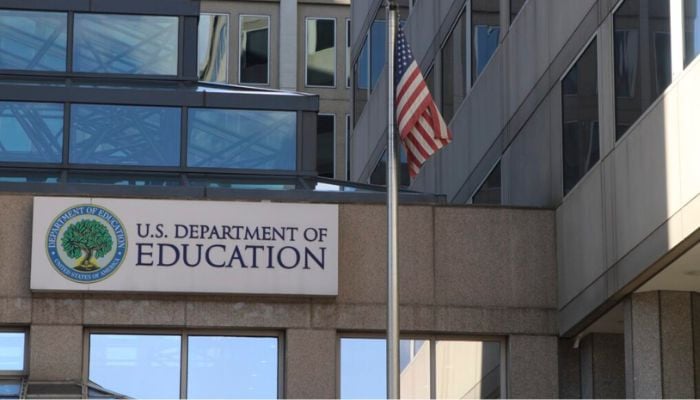
Justice Department Abandons Appellate Pursuit in Definitive Shift for Borrowers
The Trump administration has formally concluded its legal battle to enforce sweeping modifications to the Public Service Loan Forgiveness program, delivering a substantial procedural victory to approximately 2.3 million individuals currently navigating the federal debt cancellation pathway. On Wednesday, October 21, the Department of Justice officially withdrew its appeals concerning two pivotal court decisions issued in June, effectively nullifying the government’s attempt to rewrite eligibility parameters for the popular initiative.
This strategic retreat leaves the existing regulatory framework governing the Public Service Loan Forgiveness (PSLF) program unaltered. Consequently, borrowers face no immediate disruption to their qualification status or debt cancellation trajectory. The withdrawal signals a recognition by federal prosecutors that the administration’s proposed alterations lacked sufficient statutory grounding, thereby halting a contentious effort to restrict access to the program based on employer conduct.
Judicial Rejection of Executive Overreach and DEI Criteria
The legal conflict originated from a series of directives issued under a Trump executive order, which empowered the Education Department to pursue aggressive regulatory changes. Central to the administration’s strategy was a proposal granting Secretary Linda McMahon expansive authority to disqualify entire employers from participating in the PSLF program. Under the contested rules, organizations could be barred from offering qualifying employment if they engaged in diversity, equity, and inclusion initiatives, regardless of the individual employee’s service record.
This approach provoked an immediate and unified response from a broad coalition comprising nonprofit advocacy groups, state and municipal governments, and major labor organizations. The coalition filed litigation arguing that the Education Department had exceeded its mandate, asserting that the secretary lacked the congressional authorization to penalize employers for internal policies unrelated to loan repayment mechanics.
Federal judges sided decisively with the challengers in June, issuing rulings that declared the revised eligibility requirements unlawful. The judiciary determined that the regulations violated the statutory boundaries established by Congress when creating the PSLF framework. By dismissing its appeals, the administration has acquiesced to these judicial findings, confirming that the secretary cannot utilize the program as a lever to enforce ideological conformity among public-sector employers.
Statutory Foundations and the Scope of PSLF
The Public Service Loan Forgiveness program operates as a critical financial safety net for workers in the public interest. Established to incentivize careers in government and nonprofit sectors, the program mandates the cancellation of remaining federal student debt for participants who maintain full-time employment with qualifying organizations for a decade. Borrowers must complete 120 consecutive monthly payments under an income-driven repayment plan to trigger the forgiveness provision.
The program serves millions of educators, healthcare professionals, social workers, and first responders across the nation. The preservation of the current rules ensures that the definition of qualifying employment remains tethered to the employer’s tax-exempt or governmental status, rather than subjective assessments of corporate culture or internal programming. This stability protects borrowers from retroactive penalties based on shifts in institutional policy or political pressure.
Administrative Friction and Lingering Processing Challenges
While the appellate defeat removes the threat of new ideological restrictions, the Education Department continues to grapple with significant administrative hurdles that affect borrower accounts. Reports indicate that the department has recently begun removing qualifying payments from certain borrowers’ records, attributing these adjustments to coding errors originating during the Biden administration. These retroactive corrections have created uncertainty for individuals who believed they were on track toward forgiveness.
Borrowers are increasingly encountering prolonged delays in having payments accurately counted toward the 120-payment requirement. The bureaucratic friction surrounding account reconciliations has left many applicants in a state of limbo, unable to verify their progress or anticipate their forgiveness timeline. The combination of processing backlogs and sudden payment deductions underscores the fragility of the system, even as the legal landscape stabilizes following the withdrawal of the DEI-related appeal.
Implications for Future Regulatory Actions
The administration’s decision to drop the appeals carries broader implications for the scope of executive power over federal student aid programs. The judicial rejections serve as a precedent reinforcing the principle that agencies must adhere strictly to congressional intent when modifying benefit eligibility. Future attempts to impose conditional restrictions on PSLF participation will likely face heightened scrutiny and robust legal opposition from stakeholders invested in the program’s accessibility.
For the 2.3 million borrowers pursuing relief, the outcome provides immediate certainty regarding the criteria governing their employment status. While other challenges to the program may emerge, the removal of the most restrictive proposals marks a definitive end to the effort to weaponize the forgiveness program against entities practicing diversity initiatives. The focus now shifts to resolving the operational deficiencies within the payment tracking system to ensure that eligible borrowers receive the relief promised by statute.
Source Reference (geo.tv): Education Department drops PSLF challenge: What does it mean for borrowers?
Frequently Asked Questions (FAQ)
What is the current status of PSLF eligibility rules after the Justice Department's withdrawal?
Current PSLF rules remain fully intact. The withdrawal of the appeal preserves the existing framework, meaning employers cannot be disqualified based on diversity, equity, and inclusion efforts, and borrowers face no immediate regulatory changes.
Who initiated the lawsuit against the Education Department's revised PSLF rules?
A broad coalition of nonprofits, state and city governments, and labor organizations sued to block the regulations, arguing they were unlawful and exceeded the authority granted by Congress.
Are there still problems affecting PSLF borrowers despite the legal victory?
Yes. The Education Department has removed some qualifying payments citing Biden-era coding errors, and many borrowers report significant delays in having their payments counted toward relief, leaving them in limbo.
{“@context”:”https://schema.org”,”@type”:”FAQPage”,”mainEntity”:[{“@type”:”Question”,”name”:”What is the current status of PSLF eligibility rules after the Justice Department’s withdrawal?”,”acceptedAnswer”:{“@type”:”Answer”,”text”:”Current PSLF rules remain fully intact. The withdrawal of the appeal preserves the existing framework, meaning employers cannot be disqualified based on diversity, equity, and inclusion efforts, and borrowers face no immediate regulatory changes.”}},{“@type”:”Question”,”name”:”Who initiated the lawsuit against the Education Department’s revised PSLF rules?”,”acceptedAnswer”:{“@type”:”Answer”,”text”:”A broad coalition of nonprofits, state and city governments, and labor organizations sued to block the regulations, arguing they were unlawful and exceeded the authority granted by Congress.”}},{“@type”:”Question”,”name”:”Are there still problems affecting PSLF borrowers despite the legal victory?”,”acceptedAnswer”:{“@type”:”Answer”,”text”:”Yes. The Education Department has removed some qualifying payments citing Biden-era coding errors, and many borrowers report significant delays in having their payments counted toward relief, leaving them in limbo.”}}]}