Tom Skerritt, Sci-Fi Icon and M*A*S*H Star, Dies at 93
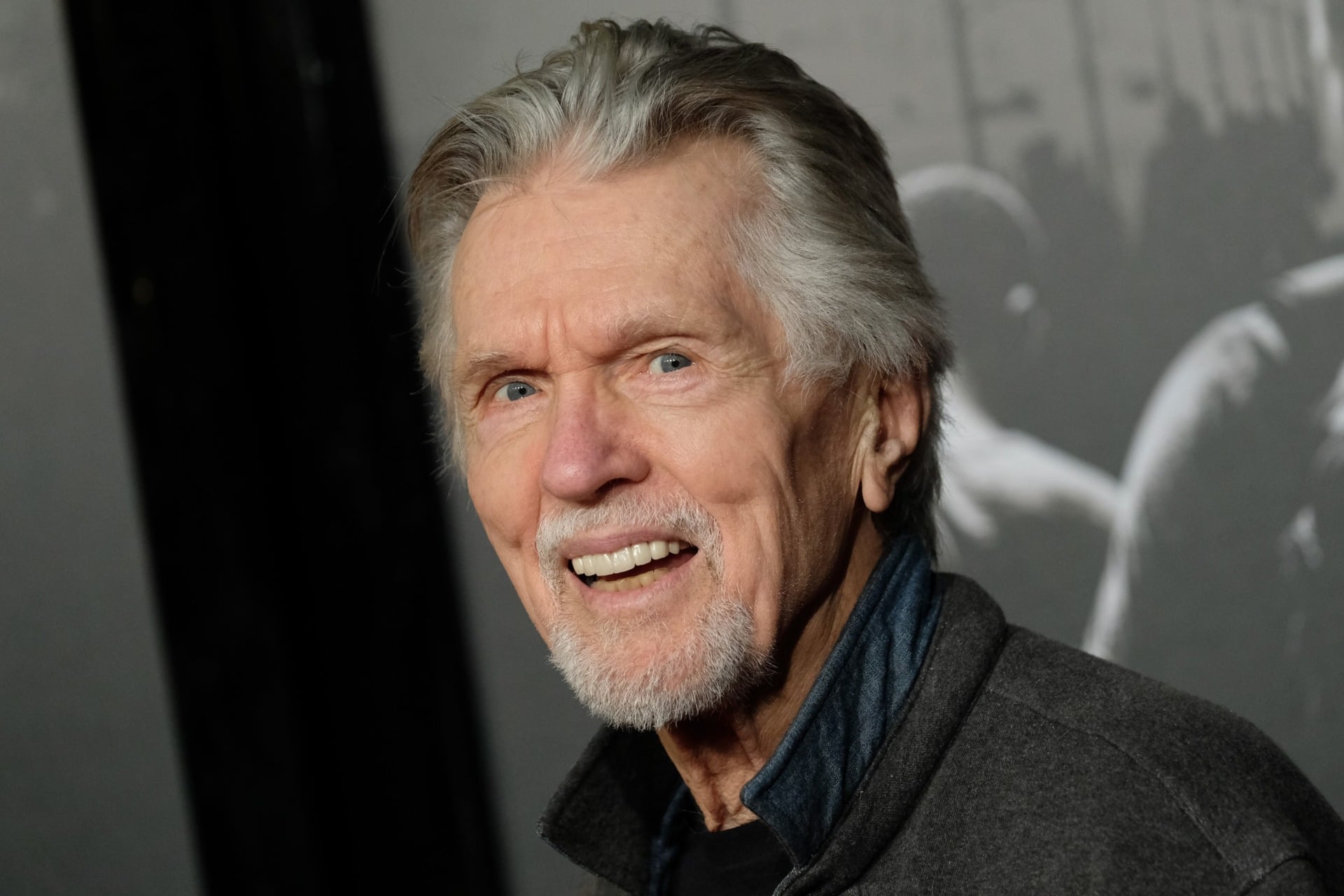
A Six-Decade Run Closes With Natural Passing
Veteran character actor Tom Skerritt, whose commanding presence defined generations of television dramas and landmark science fiction cinema, passed away Wednesday following natural causes. He was 93. His family confirmed the news to industry publications, marking the conclusion of a career that stretched across more than sixty years and transformed him from a regional theater discovery into one of Hollywood’s most dependable leading men and genre pioneers.
Born August 25, 1933, Skerritt entered the performing arts far from the polished machinery of Los Angeles. Faculty members identified his raw capability during a UCLA student production, a chance encounter that launched a trajectory built on steady craftsmanship rather than fleeting celebrity. Network audiences first encountered him as Captain Augustus Bedford “Duke” Forrest on the groundbreaking war satire M*A*S*H, a role that established his signature ability to balance institutional authority with quiet empathy. As broadcast television matured, he became a familiar fixture in regional procedural dramas, most notably portraying Sheriff Jimmy Brock in Picket Fences, which cemented his status as a definitive voice for midwestern justice narratives. Filmgoers remembered him equally well, whether delivering measured dryness alongside ensemble casts in Steel Magnolias as Dr. Drum Eatenton or embodying the tactical discipline of Commander Mike “Viper” Metcalf in Top Gun.
Anchor Points in Genre Cinema History
While mainstream television and dramatic features provided steady employment, Skerritt’s most culturally resonant work emerged within the horror and speculative fiction sectors. Directors consistently turned to him to ground extraordinary premises in recognizable human emotion. In Ridley Scott’s 1979 breakthrough Alien, Skerritt commanded the screen as Captain Arthur Dallas, the exhausted executive officer responsible for steering a civilian vessel through unknown space. His performance anchored the film’s suffocating atmosphere, particularly during high-stakes sequences involving heavy ordnance like the flamethrower, effectively modeling how command figures could remain competent while confronting incomprehensible biological threats. Decades later, he returned to the supernatural arena as Uncle Bruce in Poltergeist III, serving as a stabilizing force for young Carol Anne as she navigated nightmare-infested urban environments.
His filmography extended into cerebral science fiction with Contact, where he portrayed Dr. David Drumlin, a prominent NASA skeptic who publicly questioned the validity of extraterrestrial transmissions. The role required him to articulate institutional doubt without resorting to caricature, adding necessary friction to the narrative’s exploration of faith versus empirical data. Audiences also recognized him as writer Johnny Marinville in Stephen King’s Desperation, a part that demanded psychological fragmentation and moral ambiguity. These selections were never casual diversions; they represented deliberate engagements with stories that examined isolation, systemic failure, and human resilience under extreme duress.
Critiquing Studio Gatekeeping and Building Alternative Pathways
Beneath the accumulated accolades operated a persistent skepticism toward traditional studio infrastructure. Skerritt frequently addressed the structural barriers that prevented emerging talent from entering the industry during his tenure. During an academic address at Henry Ford College, he articulated a frustration shared by numerous peers working outside the major studio system. “We never fully trusted the studio approach to things,” he stated. “The problem was the exclusion of young, promising, independent filmmakers. We used to talk about that a lot in the 1960s. How do you find these young filmmakers? How you support them? How you develop them? Hollywood was not the place to do that. You have to come in as a recognized entity to break into the business in Hollywood.”
The collective perspective he referenced originated largely from his professional partnership with Robert Redford, his co-star in the 1962 debut feature War Hunt. While Redford eventually channeled his advocacy into the Sundance Institute, Skerritt pursued a parallel mission rooted in the Pacific Northwest. In 2003, he helped establish TheFilmSchool, a Seattle-based nonprofit committed to providing accessible cinematic training outside traditional coastal markets. Though the organization ceased operations in 2019, its founding architecture reflected Skerritt’s longstanding belief that creative education should operate independently of commercial studio mandates. The program offered practical workshops, equipment access, and mentorship structures that mirrored the collaborative ethos of independent production houses throughout the late twentieth century.
Personal Values and Familial Legacy
Public memorials typically emphasize professional milestones, yet those closest to him highlighted fundamentally different qualities. A family statement released shortly after his passing read, “We are heartbroken by his loss. While the world knew Tom through his remarkable acting career, we knew him for his humor, curiosity, wisdom, generosity, and the love he brought into our lives. He cared deeply about imagination, creativity, storytelling, service, veterans, the natural world, and helping others find and share their own voices.” This multidimensional portrait underscores a life conducted consistently beyond the camera lens. His documented dedication to veteran support initiatives, environmental preservation, and artistic mentorship ran parallel to his screen work, demonstrating a sustained ethic of civic engagement. He leaves behind his wife, Julie Tokashiki, along with five children, five grandchildren, and two great-grandchildren, all of whom witnessed the man behind the celebrated characterizations.
Enduring Influence on Broadcast and Genre Traditions
Skerritt’s departure concludes a chapter on an era when television networks routinely cast theatrical performers in ensemble casts, and when blockbuster franchises depended heavily on seasoned character actors to anchor spectacular visual effects. His capacity to bridge prestige television, mainstream cinema, and cult genre favorites ensured his work reached successive generations of viewers without compromising artistic integrity. More importantly, his unwavering stance against industrial gatekeeping established a functional blueprint for alternative training pathways that continue to influence independent production models across regional markets. The entertainment landscape has lost a formidable presence, but the frameworks he helped construct and the performances he delivered will sustain his reputation long after the final credits roll.
Source Reference (gizmodo.com): Tom Skerritt, Star of ‘Alien’ and ‘Contact,’ Dies at 93