Orphaned Walrus Calf Rescued From Arctic Predators in Remote Alaska
A Critical Intervention on the Alaskan Coast
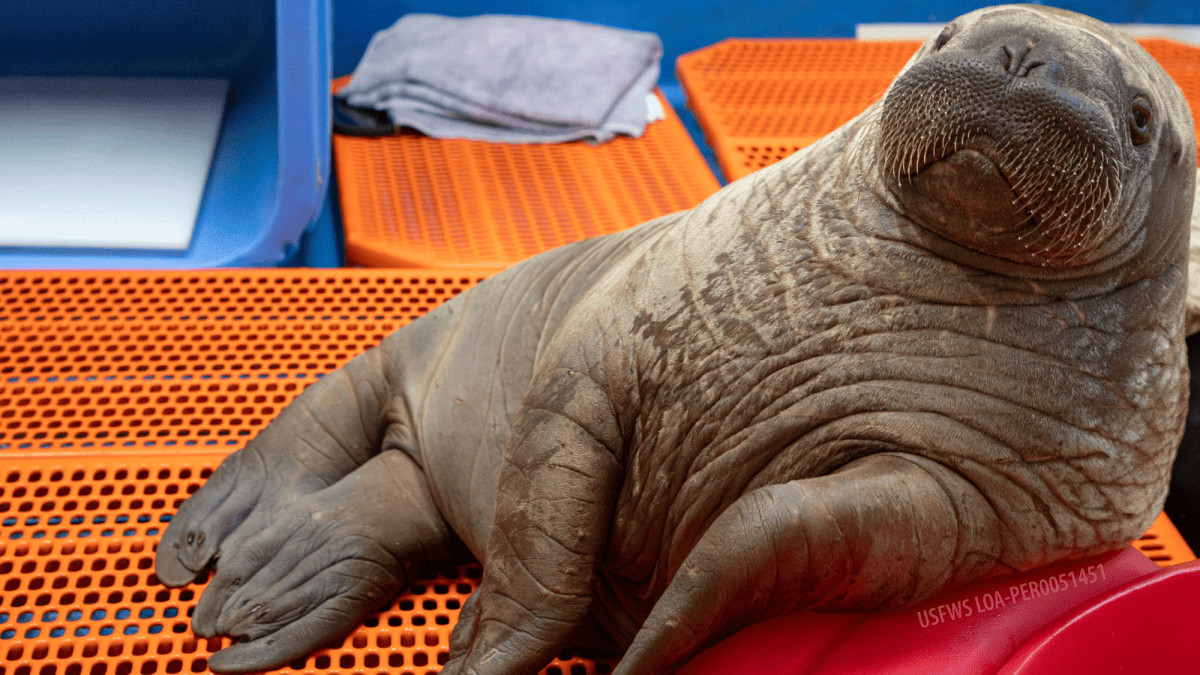
Remote stretches of the Bering Sea shoreline frequently host encounters between vulnerable wildlife and apex predators, but a recent incident near Point Lay demanded immediate human intervention. Researchers encountered a young Pacific walrus calf that had been separated from its mother, leaving it exposed to severe environmental threats. The isolated juvenile male was discovered resting among the remains of two deceased adults, a scenario U.S. Geological Survey research walrus biologist Tony Fischbach noted had never occurred during his extensive career monitoring regional herds. Without rapid assistance, the defenseless animal faced imminent mortality from both opportunistic avian scavengers and terrestrial hunters.
Navigating Isolation and Environmental Hazards
The discovery site presented a complex logistical puzzle. Storm systems moving through the region trapped Fischbach alongside Violet Anniskett, a local researcher affiliated with Ilisaġvik College, preventing immediate evacuation. With visibility reduced and travel routes compromised, the pair relocated the struggling calf into a derelict structure to provide temporary cover. During those extended hours, the young mammal formed an immediate attachment to its rescuers, refusing to rest unless one of them remained in close proximity. This rapid bonding underscored the creature’s profound isolation and heightened stress levels following maternal separation.
Regulatory Approvals and Logistical Barriers
Before any relocation could occur, the team secured necessary permits from the local Inupiaq community and the U.S. Fish and Wildlife Service, recognizing the importance of Indigenous stewardship and federal oversight in Arctic wildlife management. Once authorization was granted, the next phase involved transporting the 200-pound juvenile more than eight hundred miles to the Alaska SeaLife Center. As the sole marine mammal rehabilitation institution in the state, the facility possesses the specialized infrastructure required for high-needs aquatic patients. The journey ultimately concluded on September 14 after a combination of aerial transit and ground transport, marking the end of an arduous multi-day ordeal.
Arrival and Clinical Stabilization
Upon reaching the rehabilitation center, medical personnel conducted a thorough initial assessment. The calf exhibited signs of dehydration but maintained otherwise stable physiological markers. Veterinary staff administered intravenous fluids, addressed minor external abrasions, and implemented monitoring protocols designed to stabilize his metabolic rate. Pacific walruses (Odobenus rosmarus divergens) possess unique physiological adaptations for surviving subzero waters and prolonged fasting periods, yet juveniles lack the fat reserves and hunting experience necessary to thrive independently after early maternal loss. The clinical team prioritized hydration restoration and thermal regulation to prepare the animal for intensive nutritional support.
The Demands of Marine Mammal Orphan Care
Rehabilitating an orphaned Pacific walrus presents one of the most demanding challenges in modern zoological medicine. In natural habitats, walrus calves remain closely attached to their mothers for approximately twelve to twenty-four months, relying on consistent physical contact, nursing schedules, and social reinforcement to develop essential survival skills. When that maternal bond is severed, authorized caretakers must function as complete surrogates, replicating the tactile, auditory, and nutritional environment the calf would normally receive.
This level of care requires uninterrupted staffing and highly coordinated shift rotations. Jane Belovarac, the Alaska SeaLife Center wildlife response curator, emphasized that successful rehabilitation depends on continuous human presence to manage feeding routines, administer veterinary interventions, and maintain psychological stability. The intensive schedule has forced staff members to adjust personal routines significantly, working extended hours to ensure the juvenile receives consistent attention. Such dedication highlights the operational capacity of dedicated marine mammal facilities when confronted with unprecedented cases of wildlife displacement.
Habituation and the Ambassador Mission
The very nature of this hands-on rehabilitation carries irreversible consequences for the calf’s future trajectory. Because the juvenile has developed familiarity with human caretakers, he no longer retains the behavioral wariness required for independent survival in untamed environments. Reintroduction to natural populations would compromise both individual safety and herd dynamics, making permanent captivity the only viable option. The facility has since arranged a long-term residence for the animal, though specific geographic details remain undisclosed for security and welfare reasons. Rather than returning to coastal haul-outs, he will serve as a conservation ambassador, facilitating public education programs designed to raise awareness about Pacific walrus ecology, habitat preservation, and the broader challenges facing Arctic biodiversity.
Broader Ecological Implications
Incidents involving displaced marine mammals increasingly reflect shifting environmental conditions across northern latitudes. Alterations in sea ice coverage, prey distribution, and predator migration patterns continue to reshape traditional wildlife corridors throughout Alaska. While this particular rescue stemmed from maternal separation rather than direct climate-induced displacement, it underscores the interconnected pressures affecting Arctic fauna. Public engagement through ambassador animals plays a vital role in translating scientific data into actionable conservation strategies, fostering community support for habitat protection initiatives and sustainable policy development. The ongoing commitment of researchers, Indigenous partners, and rehabilitation professionals ensures that vulnerable species receive the expertise necessary to navigate an evolving landscape.
Source Reference (popsci.com): Orphaned walrus calf rescued from nearby polar bears in Alaska
Frequently Asked Questions (FAQ)
Why can't the rescued walrus calf be released back into the wild?
The calf formed strong bonds with human caretakers during intensive rehabilitation, resulting in habituation that eliminates the natural wariness required for independent survival in Arctic environments.
How long do Pacific walrus calves typically stay with their mothers?
In the wild, Pacific walrus calves remain closely attached to their mothers for approximately one to two years, relying on consistent physical contact and nursing for development.
What makes rehabilitating orphaned Pacific walrus calves particularly difficult?
They require round-the-clock human surrogate care to replicate maternal bonding, feeding schedules, social interaction, and veterinary monitoring, making them among the most specialized patients in marine mammal rehabilitation.
{“@context”:”https://schema.org”,”@type”:”FAQPage”,”mainEntity”:[{“@type”:”Question”,”name”:”Why can’t the rescued walrus calf be released back into the wild?”,”acceptedAnswer”:{“@type”:”Answer”,”text”:”The calf formed strong bonds with human caretakers during intensive rehabilitation, resulting in habituation that eliminates the natural wariness required for independent survival in Arctic environments.”}},{“@type”:”Question”,”name”:”How long do Pacific walrus calves typically stay with their mothers?”,”acceptedAnswer”:{“@type”:”Answer”,”text”:”In the wild, Pacific walrus calves remain closely attached to their mothers for approximately one to two years, relying on consistent physical contact and nursing for development.”}},{“@type”:”Question”,”name”:”What makes rehabilitating orphaned Pacific walrus calves particularly difficult?”,”acceptedAnswer”:{“@type”:”Answer”,”text”:”They require round-the-clock human surrogate care to replicate maternal bonding, feeding schedules, social interaction, and veterinary monitoring, making them among the most specialized patients in marine mammal rehabilitation.”}}]}