How Ziva David’s Exit Reshaped NCIS Forever
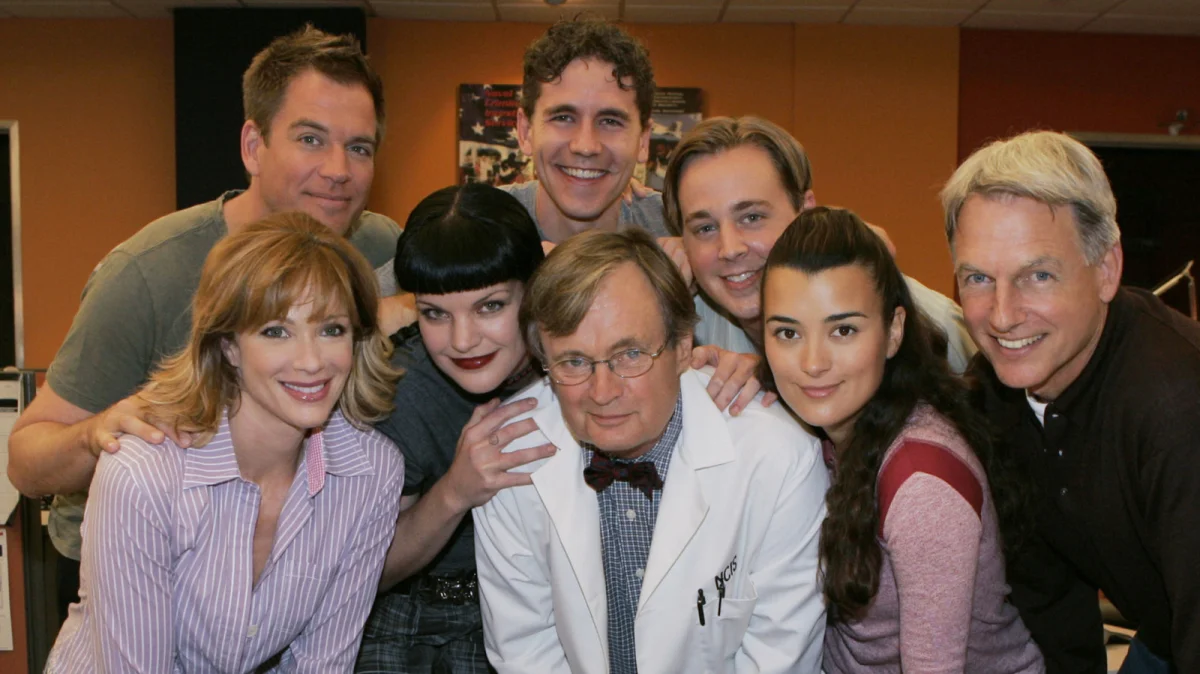
The Architecture of a Television Era
When Cote de Pablo stepped away from NCIS, she did not merely vacate a workspace at the Naval Criminal Investigative Service; she dismantled one of broadcast television’s most meticulously engineered narrative frameworks. For nearly a decade, her portrayal of Ziva David anchored the bureau’s psychological center, and her sudden departure triggered a cascade of creative recalibrations that continue to reverberate through the franchise. Rather than functioning as a routine cast rotation, the exit severed a foundational relationship dynamic, exposing how deeply intertwined the series’ identity had become with a single character’s evolution.
Forging the Core Investigative Triad
De Pablo arrived during the third broadcast cycle, stepping into a role initially carved out for Caitlin Todd. What began as a transitional casting choice rapidly solidified into a defining pillar of the program. Over an eight-year tenure, she cultivated a complex professional and personal equilibrium alongside Anthony DiNozzo and Timothy McGee. This trio did not simply share screen time; they operated as a cohesive investigative unit where sharp wit, geopolitical expertise, and forensic precision balanced one another. Viewers quickly recognized this configuration as the series’ creative zenith, frequently categorizing those seasons as the program’s golden era. The departure ultimately fractured a well-oiled machine that had taken years to synchronize, leaving producers to confront the reality that removing one component threatened to stall the entire apparatus.
Creative Boundaries at Babson College
The rationale behind the split crystallized during a 2016 academic forum at Babson College, where de Pablo addressed the intersection of artistic integrity and network television demands. She articulated a firm boundary regarding the character’s trajectory, emphasizing that financial incentives could not override fundamental storytelling principles. According to her assessment, the writing room intended to strip Ziva of her agency, reducing her to a diminished figure exiled back to Israel. The actress made clear that such a narrative downgrade crossed an uncompromisable line. Beyond individual career concerns, she framed the decision as a broader stewardship issue, questioning what precedent she would establish for decades of female viewers who tracked the character’s journey. Within the landscape of network broadcasting, this perspective transcended typical contractual negotiations; it represented a conscious assertion over a persona that had already cemented itself as a cultural touchstone.
Navigating the Eleventh Season Void
The immediate fallout rippled through the eleventh broadcast season. With the romantic and professional threads between DiNozzo and Ziva abruptly severed, the remaining personnel faced a prolonged period of narrative improvisation. Producers recognized that simply inserting a new face would not replicate the established chemistry, yet the need to maintain momentum forced rapid adjustments. The arrival of Ellie Bishop marked a deliberate attempt to stabilize the roster while preserving the ensemble format. However, the substitution highlighted a persistent creative tension: procedural franchises often treat character turnover as a logistical exercise, yet audiences measure success through emotional continuity. The subsequent cycles demonstrated that while replacements could fill slots, they struggled to replicate the specific alchemy that had defined the earlier years.
The Spinoff Experiment and Narrative Echoes
Years later, the enduring pull of that original partnership prompted an experimental revival attempt. In 2024, network executives approved a companion series focusing on DiNozzo and Ziva navigating civilian life abroad while raising their child. The project functioned as a direct continuation of the unresolved threads left dangling after the main program’s initial pivot. Despite generating significant viewer interest, the limited run concluded after a single campaign, unable to sustain the necessary ratings trajectory. Nevertheless, the endeavor served as empirical evidence of the original series’ underlying dependency. By attempting to resurrect the dynamic outside the primary framework, creators inadvertently confirmed that the franchise’s structural foundation rested heavily upon that specific relational axis.
Procedural Evolution and Long-Term Impact
Examining the broader television landscape reveals that singular departures rarely dictate a show’s ultimate fate, yet certain exits fundamentally alter a series’ operational rhythm. NCIS survived the transition, adapting its case formats and shifting focus toward different investigative methodologies. Yet the psychological imprint of the absence remained visible throughout subsequent campaigns. The experience underscores a critical reality for long-form serialized programming: when a character evolves beyond a supporting role into a narrative keystone, their removal necessitates complete architectural redesign rather than simple substitution. The eventual spinoff attempt validated that audience investment extended far beyond casual viewing habits, transforming fictional partnerships into enduring cultural fixtures. Ultimately, the departure stands as a textbook example of how creative misalignment can permanently reshape a franchise’s trajectory, proving that legacy is measured not just by longevity, but by the depth of connections forged along the way.
Source Reference (el-balad.com): Cote de Pablo Drives Ncis Most Impactful Character Exit With Ziva David
Frequently Asked Questions (FAQ)
Why did Cote de Pablo leave NCIS?
She departed because she believed the character's future trajectory lacked adequate respect and would reduce Ziva to a diminished figure, prioritizing artistic integrity over financial compensation.
Who replaced Ziva David on NCIS?
Ellie Bishop was introduced during Season 11 to help stabilize the ensemble roster following Ziva's abrupt departure.
What happened to the NCIS: Tony & Ziva spinoff?
The 2024 series exploring the characters' post-NCIS lives overseas was canceled after completing its first season.
{“@context”:”https://schema.org”,”@type”:”FAQPage”,”mainEntity”:[{“@type”:”Question”,”name”:”Why did Cote de Pablo leave NCIS?”,”acceptedAnswer”:{“@type”:”Answer”,”text”:”She departed because she believed the character’s future trajectory lacked adequate respect and would reduce Ziva to a diminished figure, prioritizing artistic integrity over financial compensation.”}},{“@type”:”Question”,”name”:”Who replaced Ziva David on NCIS?”,”acceptedAnswer”:{“@type”:”Answer”,”text”:”Ellie Bishop was introduced during Season 11 to help stabilize the ensemble roster following Ziva’s abrupt departure.”}},{“@type”:”Question”,”name”:”What happened to the NCIS: Tony & Ziva spinoff?”,”acceptedAnswer”:{“@type”:”Answer”,”text”:”The 2024 series exploring the characters’ post-NCIS lives overseas was canceled after completing its first season.”}}]}