Massive Kayem Foods Recall: 1.5M lbs of Meat Pulled Nationwide
- Nationwide Recall Targets 1.5 Million Pounds of Kayem Foods Products
- Product Scope: From Deli Meats to Chicken Sausage
- Temperature Control Failures and Health Implications
- Kayem Foods: Industry Position and Distribution Network
- Consumer Protocols and Disposal Guidelines
- Implications for Food Service Establishments
- Regulatory Oversight and Future Monitoring
Nationwide Recall Targets 1.5 Million Pounds of Kayem Foods Products
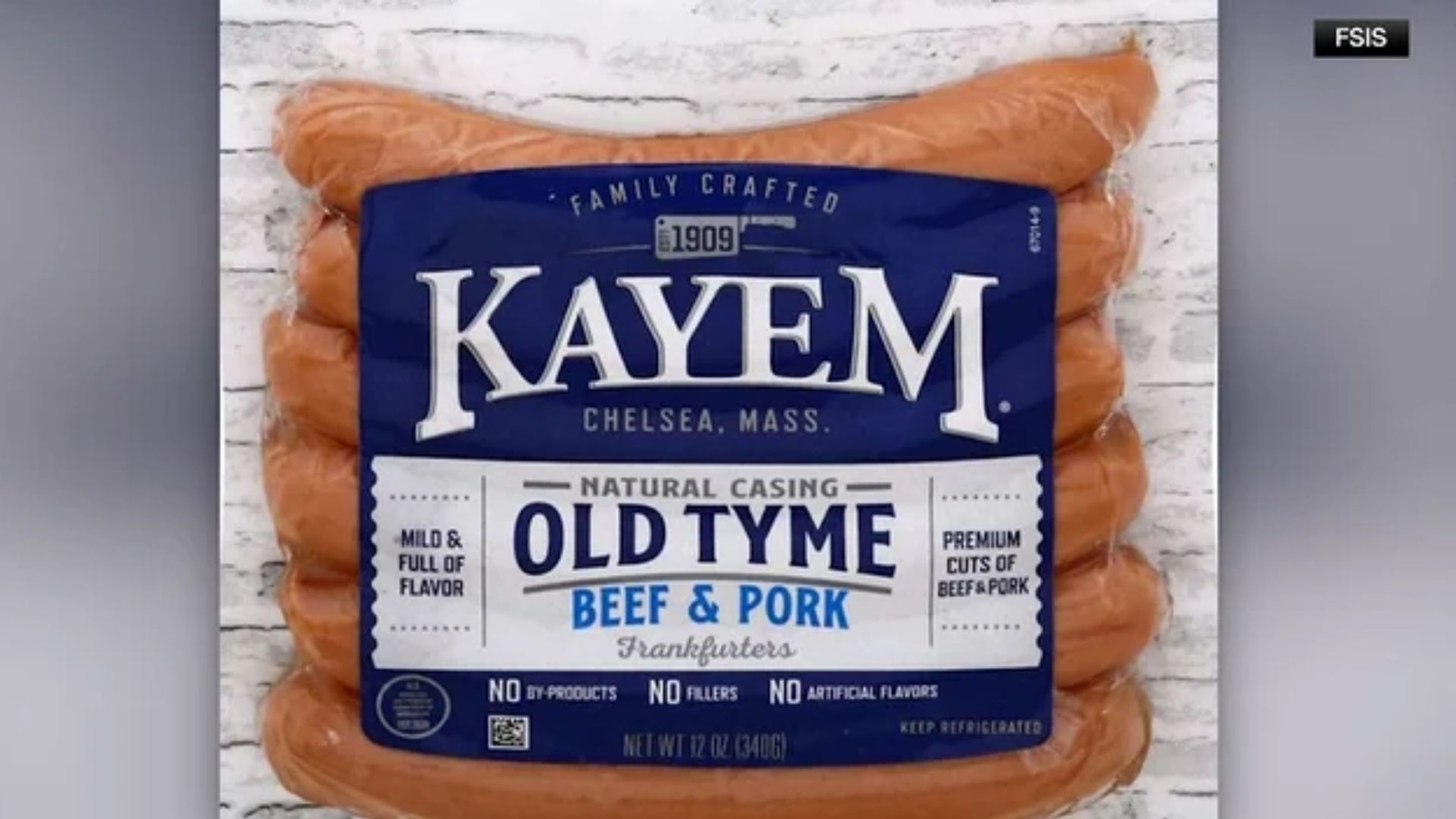
A sweeping safety alert has disrupted the American food supply chain as Kayem Foods Corporation initiates a massive recall encompassing more than 1.5 million pounds of ready-to-eat meat and poultry products distributed across all fifty states. The United States Department of Agriculture’s Food Safety and Inspection Service (USDA FSIS) confirmed the action, citing critical failures in temperature control protocols that may have compromised product integrity and posed potential health risks to consumers.
The recall affects a vast inventory of items shipped to both retail grocery stores and commercial food service establishments. According to federal records, the affected products were manufactured over a six-month production window, specifically between approximately March 31 and October 7 of the current year. While federal authorities have not yet documented any confirmed cases of foodborne illness linked to these items, the volume of the recall underscores a significant lapse in cold-chain management that requires immediate consumer attention.
Product Scope: From Deli Meats to Chicken Sausage
The scope of the recall extends across dozens of distinct stock-keeping units (SKUs) sold under a variety of brand names. Kayem Foods, a prominent processor based in the Northeast with a national distribution footprint, produces goods under multiple labels, complicating identification for some shoppers. The recalled inventory includes:
- Hot Dogs: Standard varieties packaged for retail and food service.
- Deli Meats: Sliced meats intended for sandwich preparation.
- Cocktail Franks: Small-sized sausages often used for appetizers.
- Corned Beef: Prepared beef products typically found in the refrigerated deli section.
- Bacon: Pre-cooked or raw bacon products subject to the temperature violation.
- Chicken Sausage: Poultry-based sausage links.
Because these items fall under the “ready-to-eat” (RTE) classification, they are designed for consumption without further thermal processing. This designation heightens the regulatory scrutiny surrounding temperature abuse, as RTE products do not offer a “kill step” to eliminate pathogens if contamination occurs during storage.
The Critical Window of Production Dates
The production timeline spanning from late March through early October suggests the temperature deviation may not be confined to a single shipment batch. Manufacturers often produce goods continuously until inventory is cleared, meaning the recall captures products sitting in warehouses or distribution centers where cooling systems may have malfunctioned intermittently. Consumers are advised to scrutinize production codes on packaging to determine if their specific items fall within the affected date range.
Temperature Control Failures and Health Implications
At the core of this recall is the violation of strict temperature requirements necessary to inhibit microbial growth. Ready-to-eat meat products are classified as Time/Temperature Control for Safety (TCS) foods. When stored outside mandated refrigeration parameters, bacteria such as Listeria monocytogenes, Salmonella, and E. coli can proliferate rapidly.
Listeria is particularly concerning in the context of deli meats and hot dogs because it can multiply even at refrigerated temperatures, though improper storage accelerates this process exponentially. Although no illnesses have been reported to date, the absence of confirmed cases does not guarantee the safety of the recalled inventory. Incubation periods for certain foodborne pathogens can vary, and the risk profile remains elevated for vulnerable populations, including pregnant women, the elderly, and immunocompromised individuals.
Kayem Foods: Industry Position and Distribution Network
Kayem Foods holds a substantial position in the processed meat sector, historically renowned for its “Boston-style” hot dogs and deli products. Founded decades ago, the company has cultivated a strong regional presence in New England while simultaneously expanding its reach through national wholesale channels. The breadth of this recall indicates that the distribution network extended well beyond its traditional markets, reaching supermarkets and institutional cafeterias coast-to-coast.
The company’s decision to initiate a voluntary recall demonstrates adherence to USDA oversight protocols. Under federal regulations, companies are expected to monitor their own facilities and promptly notify the agency of any deviations that could render products adulterated or misbranded. The recall reflects the interplay between corporate responsibility and federal enforcement, aiming to remove potentially hazardous goods from the marketplace before harm occurs.
Consumer Protocols and Disposal Guidelines
Federal authorities have issued clear directives for consumers who may possess recalled items. Individuals who purchased any of the affected Kayem Foods products are instructed to take immediate action:
- Do Not Consume: Discard the product immediately. Do not attempt to taste or test the item.
- Return or Dispose: Consumers may return the product to the place of purchase for a full refund. Alternatively, the product should be disposed of in a manner that prevents animals or others from accessing it.
- Check Inventory: Review home freezers and refrigerators for packages matching the described products. Look for production dates between March 31 and October 7.
While the recall notice emphasizes disposal or return, retailers are generally required to honor refunds for recalled items regardless of receipt possession, given the safety nature of the alert.
Implications for Food Service Establishments
An additional layer of complexity arises from the inclusion of food service locations in the recall notification. Unlike retail customers who handle individual packages, commercial kitchens may incorporate recalled ingredients into prepared meals. Restaurants, delis, and institutional food operators utilizing Kayem hot dogs, corned beef, or bacon in their menus face a heightened obligation to audit their supplies.
Establishments must cross-reference their current inventory against the recall parameters. If a food service operator served a meal containing a recalled ingredient, they may be required to implement trace-back procedures and notify affected patrons. This scenario highlights the vulnerability in the food chain where packaging information is obscured once a product leaves the manufacturer and enters the kitchen environment.
Regulatory Oversight and Future Monitoring
The USDA FSIS will continue to monitor the recall’s effectiveness, tracking returns and ensuring that all recalled products are removed from commerce. Inspectors may conduct follow-up evaluations at Kayem Foods facilities to verify corrective actions have been implemented to prevent recurrence. This event serves as a case study in the rigorous demands placed on processed meat manufacturers, where maintaining unbroken cold chains is non-negotiable for public health protection.
Source Reference (abc7.com): More than 1.5 million pounds of hot dogs, deli meat and more recalled nationwide
Frequently Asked Questions (FAQ)
What products are included in the Kayem Foods recall?
The recall covers more than 1.5 million pounds of ready-to-eat products including hot dogs, deli meats, cocktail franks, corned beef, bacon, and chicken sausage sold under various brand names nationwide.
Are there any reported illnesses from consuming these products?
As of the latest update, there have been no confirmed reports of illness associated with the recalled products, though the recall was issued due to potential temperature abuse risks.
What should I do if I bought these products?
Consumers should not eat the products. You should either return them to the retailer for a refund or throw them away immediately.
Does cooking the recalled hot dogs or deli meat make them safe?
No. These are ready-to-eat products that are not intended to be cooked before consumption. The recall is based on storage violations that could allow pathogen growth, making the product unsafe regardless of preparation methods.
What is the production date range for the recalled items?
The affected products were produced between approximately March 31 and October 7 of this year. Consumers should check specific production codes on packaging to confirm eligibility.
{“@context”:”https://schema.org”,”@type”:”FAQPage”,”mainEntity”:[{“@type”:”Question”,”name”:”What products are included in the Kayem Foods recall?”,”acceptedAnswer”:{“@type”:”Answer”,”text”:”The recall covers more than 1.5 million pounds of ready-to-eat products including hot dogs, deli meats, cocktail franks, corned beef, bacon, and chicken sausage sold under various brand names nationwide.”}},{“@type”:”Question”,”name”:”Are there any reported illnesses from consuming these products?”,”acceptedAnswer”:{“@type”:”Answer”,”text”:”As of the latest update, there have been no confirmed reports of illness associated with the recalled products, though the recall was issued due to potential temperature abuse risks.”}},{“@type”:”Question”,”name”:”What should I do if I bought these products?”,”acceptedAnswer”:{“@type”:”Answer”,”text”:”Consumers should not eat the products. You should either return them to the retailer for a refund or throw them away immediately.”}},{“@type”:”Question”,”name”:”Does cooking the recalled hot dogs or deli meat make them safe?”,”acceptedAnswer”:{“@type”:”Answer”,”text”:”No. These are ready-to-eat products that are not intended to be cooked before consumption. The recall is based on storage violations that could allow pathogen growth, making the product unsafe regardless of preparation methods.”}},{“@type”:”Question”,”name”:”What is the production date range for the recalled items?”,”acceptedAnswer”:{“@type”:”Answer”,”text”:”The affected products were produced between approximately March 31 and October 7 of this year. Consumers should check specific production codes on packaging to confirm eligibility.”}}]}