Utah vs. Colorado: Expert Picks & Odds for Week 7 Showdown
Line Movement Highlights Situational Value in Boulder
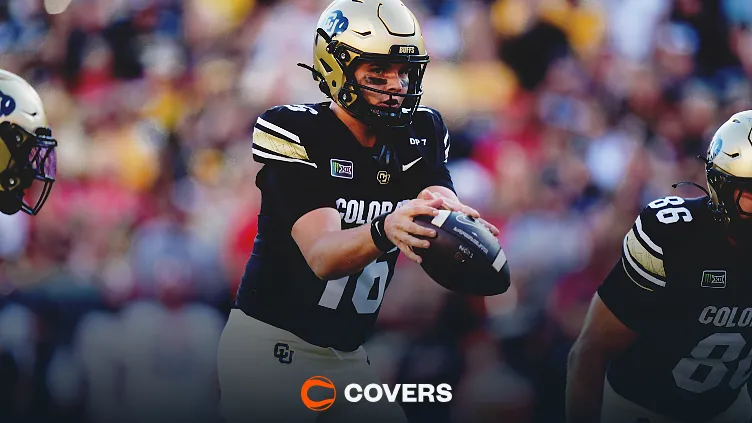
The collegiate landscape shifts focus to Boulder, Colorado, this Saturday as the Utah Utes travel to Folsom Field to face the Buffaloes. Scheduled for a 10:15 p.m. ET kickoff on ESPN, the contest presents a steep challenge for the visiting squad, with oddsmakers initially pricing Utah as a 14.5-point favorite. However, market action has tightened the spread, with Colorado’s line moving to +13.5, signaling sharp money seeking leverage on the home side.
While the numerical disparity suggests a comfortable victory for the Utes, analytical perspectives indicate that the current valuation may overstate Utah’s dominance while undervaluing Colorado’s recovery potential. The primary catalyst for this adjustment lies in the situational dynamics surrounding the Buffaloes. Colorado arrives following a bye week, a structural advantage that allows for comprehensive schematic adjustments and physical restoration. Furthermore, the team’s previous outing—a 29-7 defeat to No. 12 Texas Tech—masks a performance that was statistically far more competitive than the final score implies.
Decoding the Texas Tech Defeat
The narrative surrounding Colorado’s loss to Texas Tech requires immediate recalibration. Despite the lopsided margin, the Buffaloes held a halftime lead and outgained the Red Raiders in both total yards and first downs. The decisive factor was a catastrophic turnover sequence; Colorado surrendered four turnovers against zero for Texas Tech, including a critical interception returned for a touchdown in their own end zone. Such high-leverage mistakes are statistical anomalies that often regress toward the mean. With the bye week providing a mental reset, analysts project that Colorado’s underlying play remains strong, offering significant value on the plus points.
The Quarterback Factor: Familiarity Breeds Tactical Advantage
A central storyline for this Week 7 matchup involves Utah quarterback Isaac Wilson, who confronts his former program. Wilson spent two seasons at Utah prior to his current tenure, granting him intimate knowledge of the roster composition, coaching philosophies, and systemic tendencies. This familiarity serves as a force multiplier during preparation.
Wilson is afforded a “mulligan” regarding his early-season rust, having made his first start of the campaign recently. The extra time provided by Colorado’s bye week allows Wilson to deepen his command of the offense and refine his decision-making against specific coverages he recognizes from his past. Facing a team where he previously studied film and participated in drills eliminates the cognitive friction often associated with new opponents. Wilson’s ability to anticipate blitz packages and exploit known vulnerabilities could stabilize Utah’s attack, though it also raises the stakes for Colorado’s defensive unit to contain a quarterback who knows the building intimately.
Defensive Efficiency and Pace Control Dictate Game Flow
Tactical analysis points heavily toward a controlled, lower-scoring affair, influencing the game total which has dropped from 49.5 to 48.5. The projection favors the Under due to conflicting stylistic preferences and elite defensive metrics. Colorado possesses a formidable front seven, ranking third nationally in adjusted defensive Expected Points Added (EPA) per play and second in adjusted defensive EPA per rush according to GameOnPaper analytics. These figures indicate that the Buffaloes are exceptionally efficient at neutralizing offensive gains relative to opponent quality.
Conversely, Utah’s offensive identity leans heavily on ground control, aiming to dictate tempo through the running game. The Utes rank 100th nationally in seconds per play, reflecting a deliberate, methodical approach designed to limit total possessions. This pacing strategy aligns with the Under proposition; fewer drives reduce variance and reward error-free execution. If Utah attempts to impose its will against Colorado’s top-tier rush defense, the result may be sustained drives that stall short of the end zone, keeping the scoreboard dormant. Additionally, Colorado’s offensive production against Power Four opponents averages just 10.3 points, further constraining the ceiling for a shootout. Utah’s defense, allowing only 13 points per game, complements this trend, suggesting that neither team will find consistent rhythm in a high-volume passing environment.
Strategic Implications for the Second Half
The interplay between Utah’s tempo and Colorado’s defensive strength creates a pathway for the Buffaloes to remain competitive without generating explosive offensive output. A slower-paced second half benefits Colorado’s spread outlook. If Utah cannot create separation through sheer volume, the margin remains manageable. The key for Utah lies in avoiding the type of high-leverage errors that plagued them against Texas Tech. By maintaining possession and minimizing turnovers, the Utes can build an early cushion, rendering Colorado’s late-game comeback prospects slim while still allowing the Buffaloes to cover the wide margin.
First Quarter Dynamics and Combo Betting Opportunities
For bettors analyzing segment-specific markets, Utah emerges as the preferred option in the first quarter. The Utes rank second nationally in first-quarter points per game, demonstrating an aggressive start to games, whereas Colorado sits at 113th in this category. Utah’s tendency to dominate the opening scripted drives supports a lean on Utah -3.5 for the first quarter.
This split-quarter approach integrates seamlessly into a broader combo strategy. Taking Utah -3.5 in the first quarter increases the overall payout potential of a multi-leg ticket while preserving the viability of the full-game Colorado spread pick. The logic posits that Utah will seize an early lead, potentially creating a gap that Colorado must overcome. However, if the Buffaloes avoid immediate collapse and weather the initial storm, their defensive resilience and Utah’s deliberate pace allow them to keep the final margin within the spread. This hybrid approach capitalizes on Utah’s fast starts while hedging against the likelihood of a grind-it-out contest.
Historical Trends and Environmental Conditions
External factors also weigh on the assessment. Weather forecasts for Boulder predict mild conditions with temperatures in the mid-50s, a light wind of 6.7 mph, and zero precipitation. These parameters eliminate environmental variables that might otherwise disrupt passing games or favor a defensive struggle, ensuring that schematic matchups drive the outcome.
Historical data under coach Deion Sanders offers additional context. Colorado boasts an 8-3 record against the spread when facing ranked opponents, showcasing a pattern of competitiveness against elite competition. While Utah enters as a heavy favorite, the Buffaloes’ track record suggests they rarely surrender easily, even when outmatched on paper. This trend reinforces the confidence in taking the points, as Colorado has repeatedly proven capable of keeping scores close despite predictive metrics favoring their adversaries.
Analyst Credentials and Methodology
The insights guiding this analysis come from Geoff Clark, a veteran of the sports betting media landscape. Clark’s background includes extensive involvement in high-stakes prediction markets, notably as a competitor in the Circa Survivor and Circa Millions contests. His analytical framework combines quantitative evaluation of efficiency metrics with qualitative assessment of situational factors like bye weeks and coaching familiarity. With a writing career spanning publications such as USA TODAY and Fox News, and television appearances on VSIN, Clark brings a rigorous standard of research to his predictions. His methodology prioritizes value identification over public perception, focusing on discrepancies between line movement and underlying team performance.
Source Reference (covers.com): Utah vs Colorado Prediction, Top Picks & Odds Tonight: College Football Week 7
Frequently Asked Questions (FAQ)
What is the current spread for Utah vs. Colorado?
Utah is favored by 14.5 points, with the line tightening to 13.5 for Colorado, indicating market movement toward the Buffaloes.
Why does the analyst believe Colorado's loss to Texas Tech was misleading?
Colorado led at halftime and won yardage and first downs, but lost 4-0 in the turnover battle, including a pick-six, suggesting bad luck rather than poor play.
How does quarterback Isaac Wilson's history affect this matchup?
Wilson played at Utah for two years, giving him deep familiarity with the roster and coaching staff, which enhances his preparation and decision-making.
What are Colorado's defensive rankings entering Week 7?
Colorado ranks third nationally in adjusted defensive EPA per play and second in adjusted defensive EPA per rush, indicating elite efficiency.
What is the projected game total and why?
The total has dropped to 48.5, driven by Utah's slow tempo (100th in seconds per play) and Colorado's ability to limit scoring against Power Four opponents.
{“@context”:”https://schema.org”,”@type”:”FAQPage”,”mainEntity”:[{“@type”:”Question”,”name”:”What is the current spread for Utah vs. Colorado?”,”acceptedAnswer”:{“@type”:”Answer”,”text”:”Utah is favored by 14.5 points, with the line tightening to 13.5 for Colorado, indicating market movement toward the Buffaloes.”}},{“@type”:”Question”,”name”:”Why does the analyst believe Colorado’s loss to Texas Tech was misleading?”,”acceptedAnswer”:{“@type”:”Answer”,”text”:”Colorado led at halftime and won yardage and first downs, but lost 4-0 in the turnover battle, including a pick-six, suggesting bad luck rather than poor play.”}},{“@type”:”Question”,”name”:”How does quarterback Isaac Wilson’s history affect this matchup?”,”acceptedAnswer”:{“@type”:”Answer”,”text”:”Wilson played at Utah for two years, giving him deep familiarity with the roster and coaching staff, which enhances his preparation and decision-making.”}},{“@type”:”Question”,”name”:”What are Colorado’s defensive rankings entering Week 7?”,”acceptedAnswer”:{“@type”:”Answer”,”text”:”Colorado ranks third nationally in adjusted defensive EPA per play and second in adjusted defensive EPA per rush, indicating elite efficiency.”}},{“@type”:”Question”,”name”:”What is the projected game total and why?”,”acceptedAnswer”:{“@type”:”Answer”,”text”:”The total has dropped to 48.5, driven by Utah’s slow tempo (100th in seconds per play) and Colorado’s ability to limit scoring against Power Four opponents.”}}]}