IndiGo Diverts Flight After Power Bank Fire Erupts in Overhead Bin
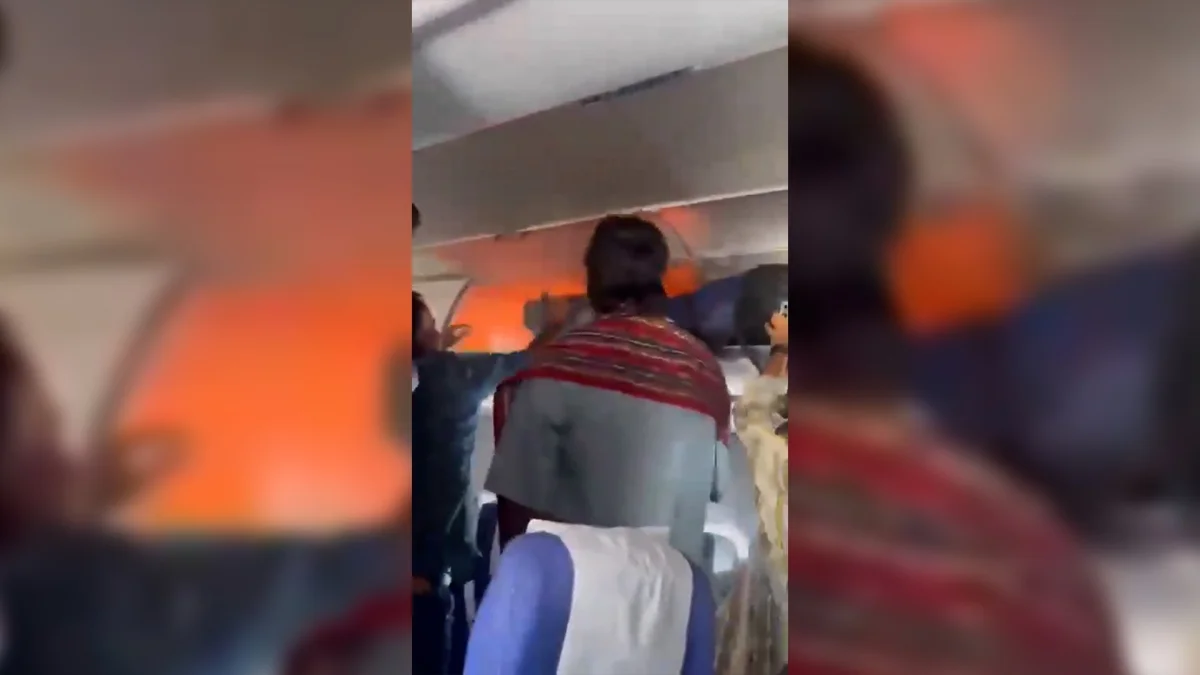
- Airborne Emergency Forces IndiGo Flight Diversion Over Power Bank Smoke
- Chronology of Containment and Crew Intervention
- Regulatory Framework and Airline Storage Policies
- Operational Aftermath and Passenger Logistics
- Aviation Safety Context and Thermal Runaway Risks
- Broader Implications for Travelers and Future Regulations
Airborne Emergency Forces IndiGo Flight Diversion Over Power Bank Smoke
On October 11, 2026, IndiGo Flight 6E 6115 encountered a sudden safety complication when vapor began filling a cabin aisle after smoke originated from a passenger’s portable electronic device. The Airbus A321neo, initially charting a course from Delhi toward Chennai, executed an immediate precautionary reroute to Hyderabad’s Rajiv Gandhi International Airport. Cabin personnel successfully isolated and suppressed the hazard before touchdown, and official reports confirmed zero injuries throughout the episode. While the technical failure centered on a malfunctioning power bank, the occurrence has triggered renewed examination of cabin storage protocols and the escalating risks linked to portable lithium-ion energy units in commercial aviation.
Chronology of Containment and Crew Intervention
The sequence unfolded rapidly during the cruise phase of the domestic sector. Flight attendants detected acrid vapor emanating from one of the ceiling-mounted luggage racks and immediately initiated emergency response drills. Relying on standardized cabin firefighting training, crew members deployed portable extinguishers and insulated the compromised compartment to restrict oxygen circulation. The captain notified air traffic control of a potential electrical fire and requested priority clearance for an unscheduled landing. The aircraft touched down safely at Hyderabad’s international terminal, where ground emergency services stood by as a precautionary measure. According to airline representatives, the situation was brought under complete control while still airborne, allowing for a routine taxi to the gate without structural damage or passenger harm.
Standard Operating Procedures Mid-Air
Cabin crews across major carriers undergo rigorous recurrent training focused on rapid threat assessment and resource allocation. When smoke or heat signatures appear in overhead compartments, protocol dictates immediate isolation rather than opening the bin prematurely, which could introduce fresh oxygen and accelerate combustion. Crew members utilize fire-resistant gloves, insulated blankets, and halon-based suppression tools to manage the thermal event. The Hyderabad incident demonstrates how disciplined execution of these procedures prevents minor electrical faults from escalating into catastrophic failures.
Regulatory Framework and Airline Storage Policies
The root cause traces directly to a breach of established baggage regulations. IndiGo explicitly mandates that all backup power sources, including external battery packs and uninstalled lithium cells, must remain within passenger carry-on items at all times. Transporting such devices in either hold compartments or ceiling storage areas is strictly prohibited. This restriction aligns with worldwide aviation safety directives, which recognize that lithium-ion batteries pose significant thermal runaway risks when subjected to pressure changes, physical impact, or temperature fluctuations inside pressurized cabins. When placed in overhead bins, these units become difficult to isolate quickly, potentially trapping heat and accelerating combustion. Investigators are currently examining how the offending device circumvented boarding verification procedures, as standard check-in and gate screening typically flag loose power banks for mandatory carry-on compliance.
Global Standards on Portable Energy Units
International Civil Aviation Organization guidelines classify spare lithium batteries as hazardous materials requiring specific packaging and handling. Airlines worldwide prohibit these items in checked luggage because cargo holds lack real-time monitoring systems capable of detecting early-stage thermal events. Overhead compartments present similar vulnerabilities, particularly during climb and descent phases when cabin pressure shifts can stress battery casings. Carrier policies consistently emphasize that travelers must retain power banks within personal bags, ensuring they remain visible and accessible for rapid retrieval during emergencies.
Operational Aftermath and Passenger Logistics
Despite the abrupt routing change, IndiGo demonstrated rapid logistical recovery capabilities. Rather than stranding travelers in Hyderabad, the carrier dispatched a substitute Airbus A321neo to transport the affected cohort to their final destination in Chennai. This contingency planning reflects modern airline fleet management strategies designed to mitigate schedule cascades following irregular operations. Passengers were transferred through coordinated ground handling, preserving travel itineraries while maintenance teams inspected the original airframe. The seamless transition underscores the importance of pre-positioned standby aircraft and cross-departmental coordination during unexpected technical diversions.
Unresolved Procedural Questions
While the immediate crisis resolved without complications, several operational queries remain under review. Authorities are analyzing how the power bank bypassed initial security checkpoints and boarding verification processes. Airlines routinely remind passengers that oversized or unsecured electronic accessories may attract additional scrutiny at gate counters. The incident highlights the necessity of reinforcing pre-flight announcements and implementing more systematic visual inspections to ensure compliance with storage restrictions.
Aviation Safety Context and Thermal Runaway Risks
Lithium-powered accessories have become ubiquitous in contemporary travel, yet their presence aboard commercial aircraft introduces complex safety variables. Unlike traditional fuels, these batteries do not require external ignition sources to ignite; internal short circuits can trigger self-sustaining chemical reactions that generate temperatures exceeding one thousand degrees Celsius. Aviation regulators worldwide classify such incidents as high-priority emergencies because conventional cargo fire suppression systems cannot reliably contain a cell rupture mid-flight. Consequently, cabin crews receive intensive training to identify early warning signs, such as discoloration, swelling, or unusual odors, and deploy specialized containment bags and halon-based extinguishing agents. The Hyderabad incident highlights how quickly a seemingly harmless travel accessory can escalate into a critical threat when stored improperly.
Industry-Wide Mitigation Strategies
Aircraft manufacturers have responded to rising battery-related incidents by integrating advanced smoke detection sensors and improved ventilation pathways in overhead storage zones. Modern avionics continuously monitor cabin air quality, alerting pilots to particulate spikes that indicate electrical degradation. Airlines simultaneously invest in passenger education campaigns, distributing digital safety cards that outline proper battery handling techniques. These combined engineering and behavioral interventions aim to reduce incident frequency while maintaining operational efficiency.
Broader Implications for Travelers and Future Regulations
The episode serves as a stark reminder that aviation safety relies heavily on adherence to clearly communicated guidelines. Airlines consistently emphasize that portable charging equipment must never be tucked into seat pockets, stowed beneath footrests, or deposited in ceiling racks. Instead, these items should remain accessible within personal bags so crew members can retrieve them instantly during an emergency. As consumer electronics continue to shrink in size while increasing in energy density, carriers are likely to strengthen pre-flight briefings and implement more rigorous visual inspections during boarding. Travelers would benefit from reviewing carrier-specific battery policies before packing, utilizing manufacturer-approved protective cases, and reporting any damaged or overheating devices to flight staff immediately. Regulatory bodies may also consider updating documentation requirements to ensure passengers acknowledge lithium battery handling protocols prior to departure.
Practical Guidance for Future Flights
Passengers navigating airport terminals should prioritize organized packing methods that separate high-capacity power banks from fragile electronics. Keeping devices in transparent pouches or designated carry-on sleeves facilitates quicker security assessments and reduces the likelihood of accidental misplacement. Airlines appreciate proactive compliance, as it minimizes disruption risks and preserves cabin environments for uninterrupted travel. By treating portable energy units with the same caution reserved for other restricted items, travelers contribute directly to collective flight safety standards.
Source Reference (el-balad.com): IndiGo Diverts Flight 6E 6115 After Indigo Power Bank Fire On Flight
Frequently Asked Questions (FAQ)
Why were power banks allowed in the overhead bin despite airline rules?
The device likely bypassed initial boarding verification. Airlines investigate how prohibited items circumvent screening, as policy strictly mandates power banks remain in passenger hand baggage.
What happened to the passengers after the diversion?
IndiGo quickly dispatched a replacement Airbus A321neo in Hyderabad, transferring all passengers to Chennai without requiring them to stay overnight or incur additional costs.
Is it safe to fly with lithium-ion power banks?
Yes, provided they follow airline regulations. They must be carried in hand luggage, kept in protective cases, and never placed in overhead compartments or checked baggage where thermal events are harder to detect.
How does cabin crew handle smoke from electronic devices mid-flight?
Crews follow standardized protocols: isolating the source, suppressing flames with certified extinguishers, restricting oxygen flow, and notifying the cockpit to request priority landing clearance.
{“@context”:”https://schema.org”,”@type”:”FAQPage”,”mainEntity”:[{“@type”:”Question”,”name”:”Why were power banks allowed in the overhead bin despite airline rules?”,”acceptedAnswer”:{“@type”:”Answer”,”text”:”The device likely bypassed initial boarding verification. Airlines investigate how prohibited items circumvent screening, as policy strictly mandates power banks remain in passenger hand baggage.”}},{“@type”:”Question”,”name”:”What happened to the passengers after the diversion?”,”acceptedAnswer”:{“@type”:”Answer”,”text”:”IndiGo quickly dispatched a replacement Airbus A321neo in Hyderabad, transferring all passengers to Chennai without requiring them to stay overnight or incur additional costs.”}},{“@type”:”Question”,”name”:”Is it safe to fly with lithium-ion power banks?”,”acceptedAnswer”:{“@type”:”Answer”,”text”:”Yes, provided they follow airline regulations. They must be carried in hand luggage, kept in protective cases, and never placed in overhead compartments or checked baggage where thermal events are harder to detect.”}},{“@type”:”Question”,”name”:”How does cabin crew handle smoke from electronic devices mid-flight?”,”acceptedAnswer”:{“@type”:”Answer”,”text”:”Crews follow standardized protocols: isolating the source, suppressing flames with certified extinguishers, restricting oxygen flow, and notifying the cockpit to request priority landing clearance.”}}]}