Why Jump Scares Hijack Our Brains in Other Mommy
- The Anatomy of a Controlled Startle
- The Neurological Architecture of Surprise
- Crafting the Shock: Technical Execution in Contemporary Cinema
- Prestige Talent and the Evolution of Genre Performance
- Theatrical Immersion Versus Domestic Viewing Habits
- Broader Industry Implications and Audience Psychology
The Anatomy of a Controlled Startle
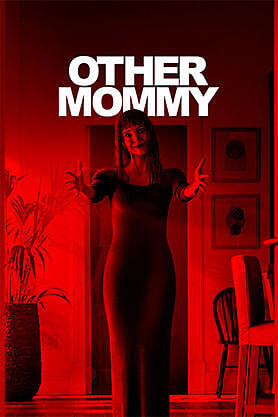
When Jessica Chastain takes center stage in her latest feature, Other Mommy, audiences are entering a carefully calibrated environment designed to bypass cognitive processing and trigger immediate physiological reactions. The production deliberately emphasizes sudden auditory and visual disruptions, abandoning slow-building dread in favor of precisely timed shocks. This creative direction rests on a well-documented biological reality: the human nervous system evolved to prioritize abrupt environmental changes above all else. By leveraging this innate wiring, the film transforms passive viewing into an active bodily experience, proving that engineered fear remains one of cinema’s most reliable mechanisms for capturing attention.
The Neurological Architecture of Surprise
Evoluntary Reflexes Override Rational Thought
The effectiveness of sudden shocks originates in the brainstem and limbic system. When an unexpected stimulus appears without warning, the thalamus routes sensory information directly to the amygdala, activating the sympathetic nervous system before the prefrontal cortex can analyze the situation. This pathway produces an instant surge of adrenaline and cortisol, resulting in elevated heart rate, rapid respiration, and involuntary muscle contraction. Film researchers note that modern viewers do not merely observe these moments; their autonomic systems participate in the narrative. Even individuals who understand the sequence is manufactured cannot suppress the startle reflex, demonstrating how deeply survival instincts remain embedded in contemporary neural architecture.
Habituation and Variable Reinforcement
Audiences frequently attempt to anticipate sudden disruptions, yet repeated exposure rarely eliminates the response entirely. Psychologists attribute this resilience to variable ratio reinforcement, a conditioning pattern where unpredictable timing prevents complete desensitization. When shocks occur at irregular intervals, the brain maintains heightened alertness rather than settling into a predictable rhythm. Other Mommy applies this principle through editorial pacing, alternating extended periods of stillness with abrupt interruptions. The technique exploits the nervous system’s tendency to relax during calm sequences, ensuring that the subsequent disruption carries maximum impact. This cycle of tension and release mirrors classical behavioral studies, confirming that unpredictability sustains physiological arousal far longer than consistent stimulation.
Crafting the Shock: Technical Execution in Contemporary Cinema
Sound Design and Editorial Rhythm
Engineering a successful startle requires synchronized coordination across multiple post-production disciplines. Sound engineers layer sub-bass frequencies beneath dialogue to create subconscious discomfort long before the payoff moment arrives. These low-frequency vibrations register physically, prompting viewers to unconsciously brace themselves. Visual editors manipulate frame rates and shot duration, often holding a static composition slightly longer than conventional pacing dictates. The deliberate delay lulls the audience into complacency, making the introduction of rapid movement or sudden illumination feel genuinely unearned. Directors and editors map these sequences backward from the intended physiological response, adjusting camera angles, lighting transitions, and audio spikes to maximize impact without triggering audience fatigue. The result resembles musical composition, where strategic silence functions as powerfully as volume.
Prestige Talent and the Evolution of Genre Performance
Chastain’s involvement highlights a broader industry shift toward recognizing genre filmmaking as a legitimate vehicle for disciplined acting. Transitioning from award-contending dramas to shock-driven narratives requires performers to navigate fragmented scene structures that demand immediate physical reactions. Actors must maintain emotional continuity across shots that frequently interrupt dialogue with sudden movements or explosive audio cues. This structural complexity pushes performers toward a different form of authenticity, one anchored in genuine physiological feedback rather than scripted exposition. Her participation also reinforces Hollywood’s ongoing effort to position horror alongside mainstream entertainment, demonstrating that commercial viability and artistic rigor can coexist within the same production framework.
Theatrical Immersion Versus Domestic Viewing Habits
The resurgence of shock-focused narratives reflects changing consumption patterns across the entertainment sector. Streaming environments have normalized passive viewing setups where ambient noise, mobile notifications, and pause-and-resume habits fragment sustained tension. Multiplex audiences, by contrast, actively pursue immersive experiences that cannot be replicated on personal screens. Studio executives recognize that communal reactions amplify individual fear, transforming isolated jumps into shared collective events. Marketing campaigns now prioritize sudden moments over elaborate plot breakdowns, acknowledging that contemporary viewers value immediate sensory engagement over slow-burn mysteries. This strategic pivot aligns with broader distribution trends, where theatrical releases compete for limited leisure time by offering experiences that justify leaving the home environment.
Broader Industry Implications and Audience Psychology
Other Mommy represents a deliberate embrace of cinema’s foundational tricks, refined through modern technology and psychological insight. By foregrounding the mechanics of surprise, the production invites viewers to examine their own neurological responses while experiencing them firsthand. The enduring appeal of sudden shocks lies in their structural simplicity; they require no exposition, no character development, and no moral ambiguity. They operate on pure instinct, reminding filmmakers that entertainment achieves peak effectiveness when it aligns with biological reality. As critical assessments accumulate and distribution expands, the film stands as evidence that engineered fear continues to shape audience behavior, theatrical programming, and the evolving language of screen storytelling.
Source Reference (msn.com): 'Other Mommy' is packed with jump scares. Why our brains can't resist them.
Frequently Asked Questions (FAQ)
What causes the immediate physical reaction to jump scares?
The amygdala triggers the sympathetic nervous system before the brain processes the threat, releasing adrenaline that raises heart rate and causes muscle tension.
Why do experienced horror fans still get startled?
Variable timing prevents desensitization, keeping the nervous system in a state of heightened alertness regardless of prior viewing experience.
How does sound design contribute to the effectiveness of sudden shocks?
Sub-bass frequencies create subconscious discomfort before the payoff moment, while sudden volume spikes trigger an involuntary startle reflex.
{“@context”:”https://schema.org”,”@type”:”FAQPage”,”mainEntity”:[{“@type”:”Question”,”name”:”What causes the immediate physical reaction to jump scares?”,”acceptedAnswer”:{“@type”:”Answer”,”text”:”The amygdala triggers the sympathetic nervous system before the brain processes the threat, releasing adrenaline that raises heart rate and causes muscle tension.”}},{“@type”:”Question”,”name”:”Why do experienced horror fans still get startled?”,”acceptedAnswer”:{“@type”:”Answer”,”text”:”Variable timing prevents desensitization, keeping the nervous system in a state of heightened alertness regardless of prior viewing experience.”}},{“@type”:”Question”,”name”:”How does sound design contribute to the effectiveness of sudden shocks?”,”acceptedAnswer”:{“@type”:”Answer”,”text”:”Sub-bass frequencies create subconscious discomfort before the payoff moment, while sudden volume spikes trigger an involuntary startle reflex.”}}]}